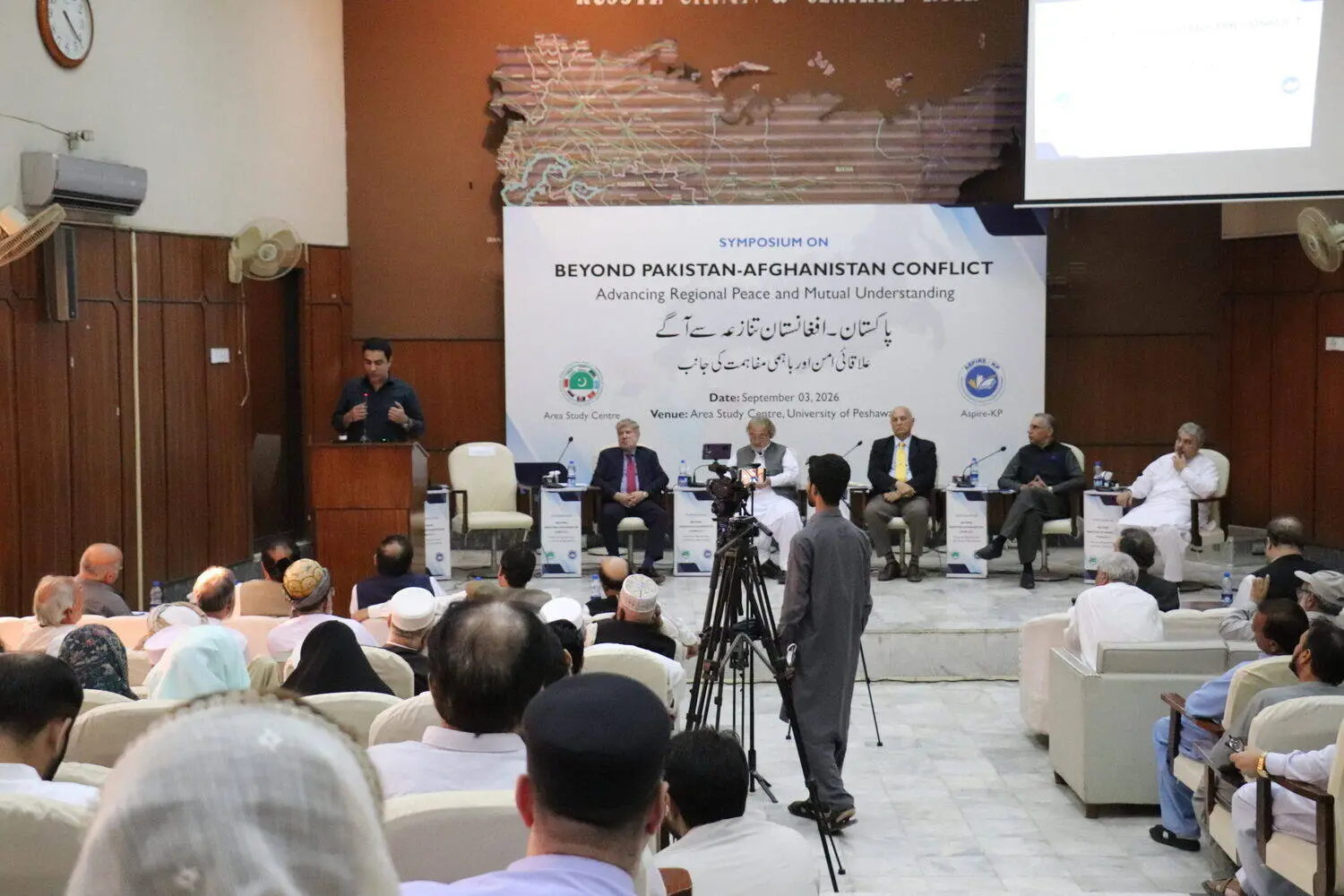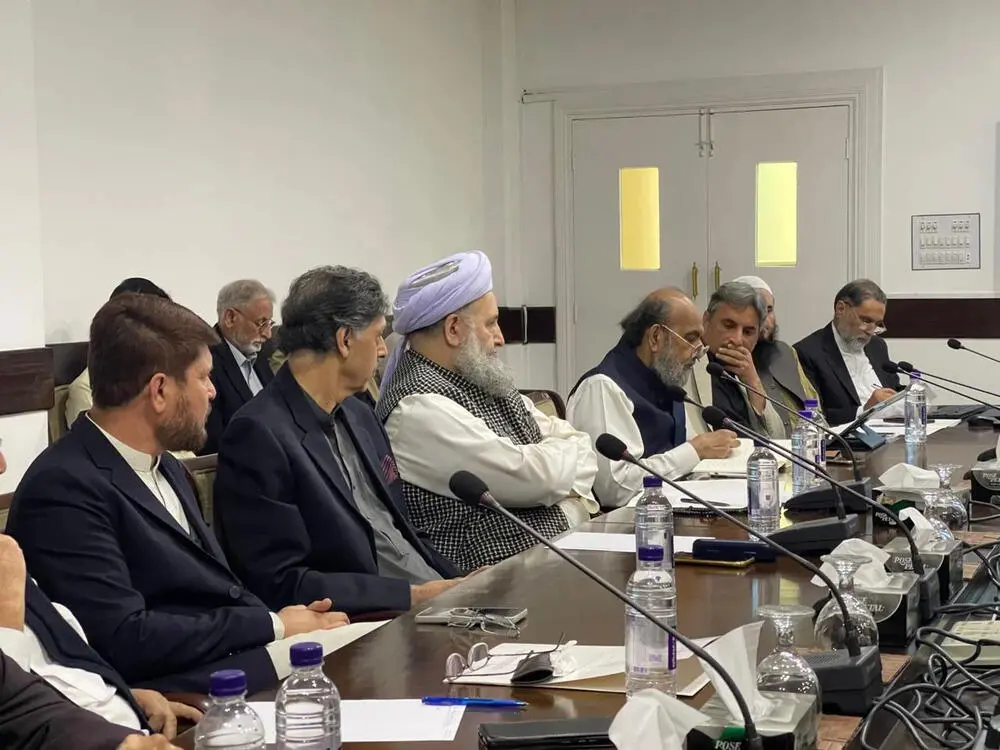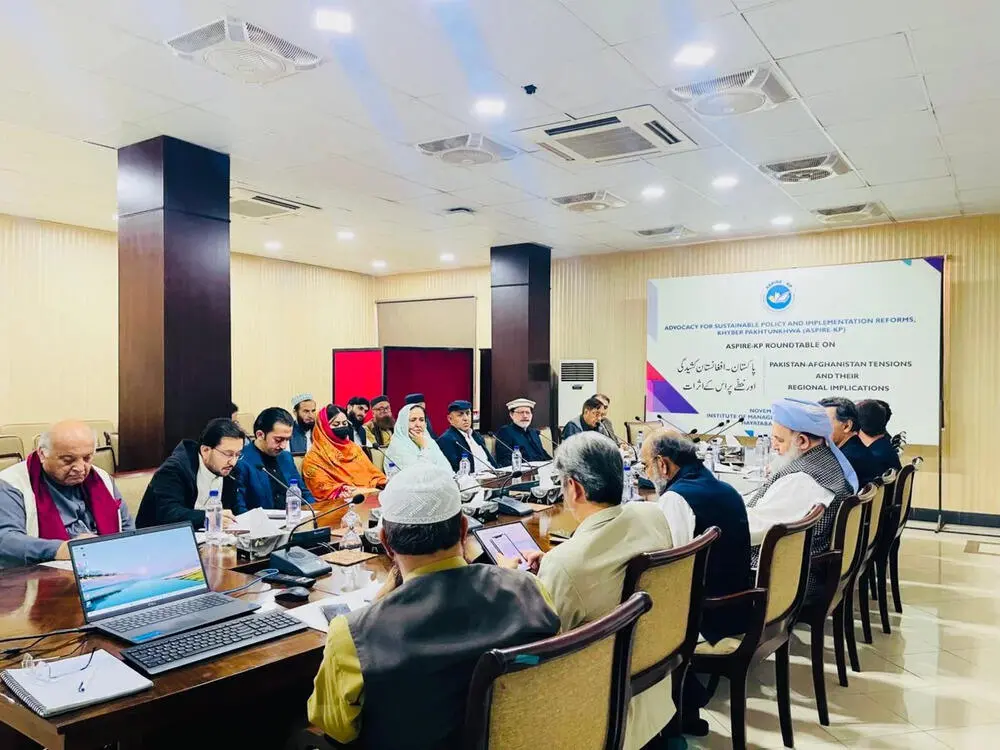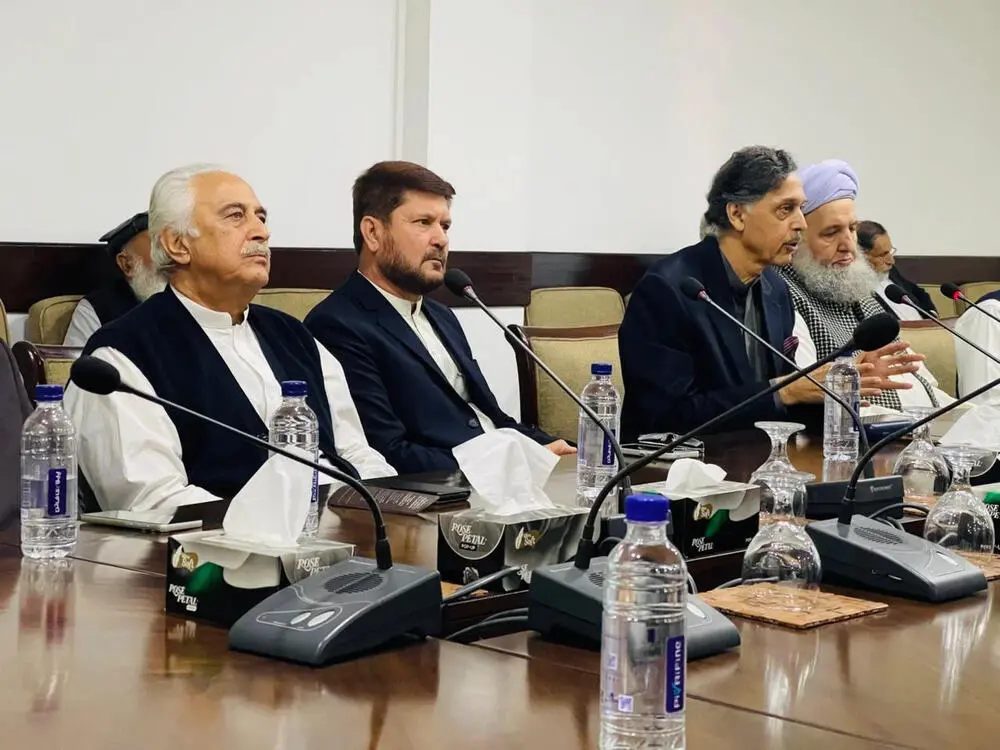
ASPIRE-KP Official Launch Event at IM Sciences, Peshawar
PESHAWAR: ASPIRE-KP officially launched its policy advocacy and research platform…
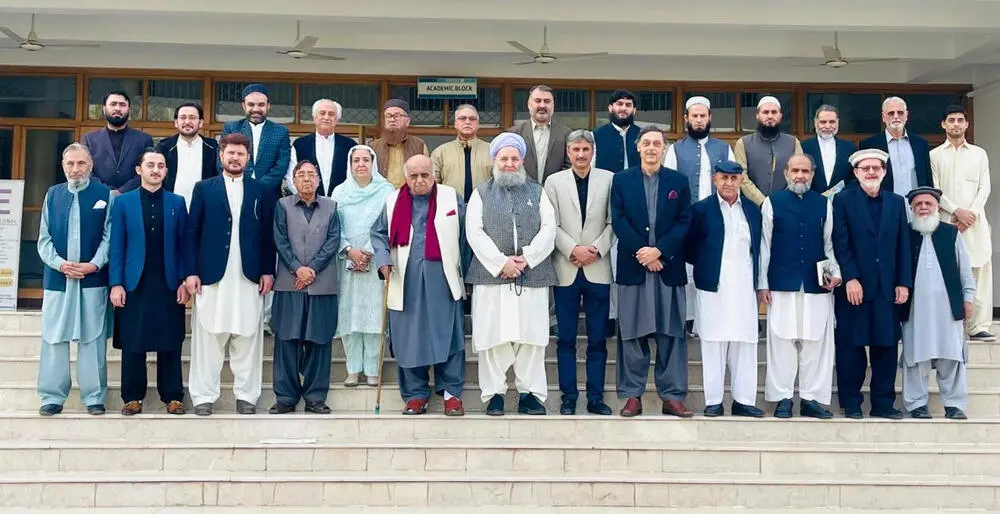
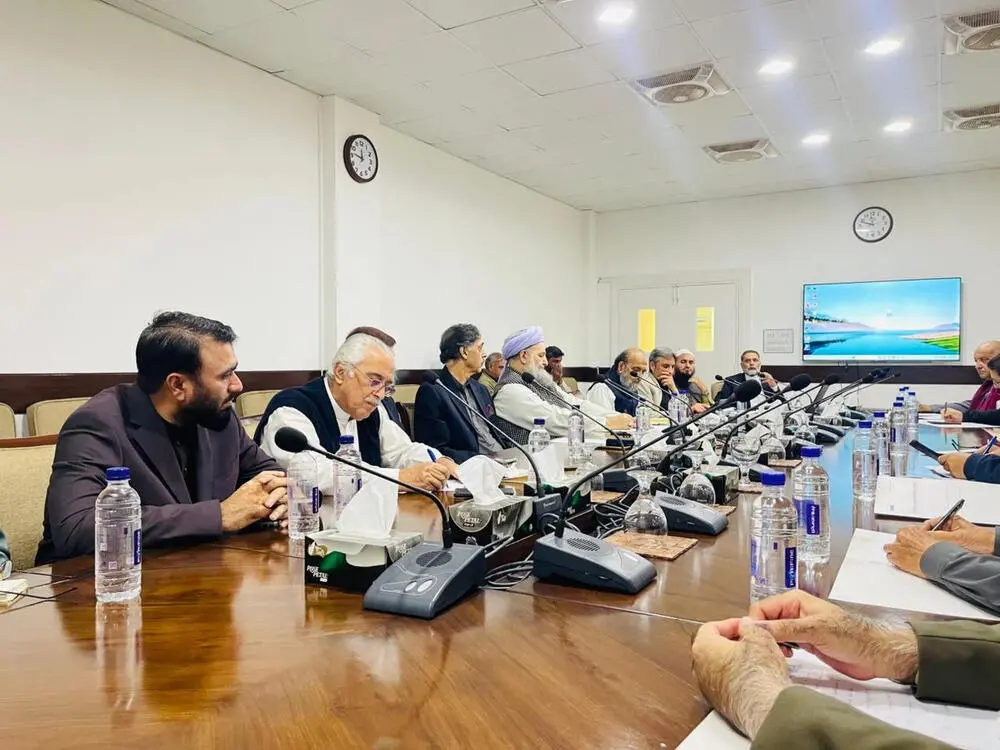
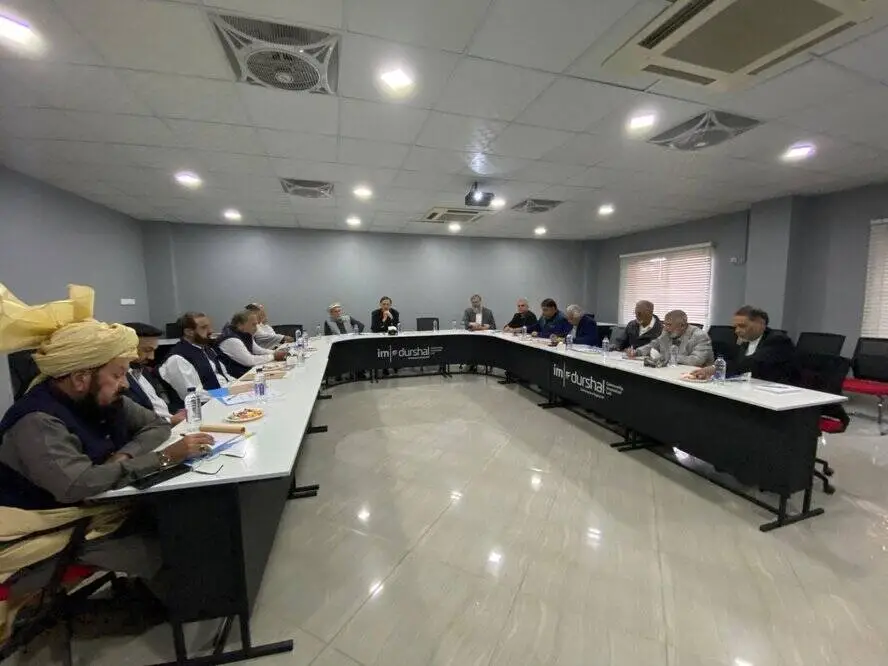
On 15 November 2025, the Advocacy for Sustainable Policy and Implementation Reforms (Aspire-KP) convened a significant roundtable discussion titled “Pakistan–Afghanistan Tensions and Their Regional Implications.” As a non-profit platform led by public service professionals from Khyber Pakhtunkhwa, Aspire-KP regularly brings together experts and practitioners to deliberate on issues of public relevance.
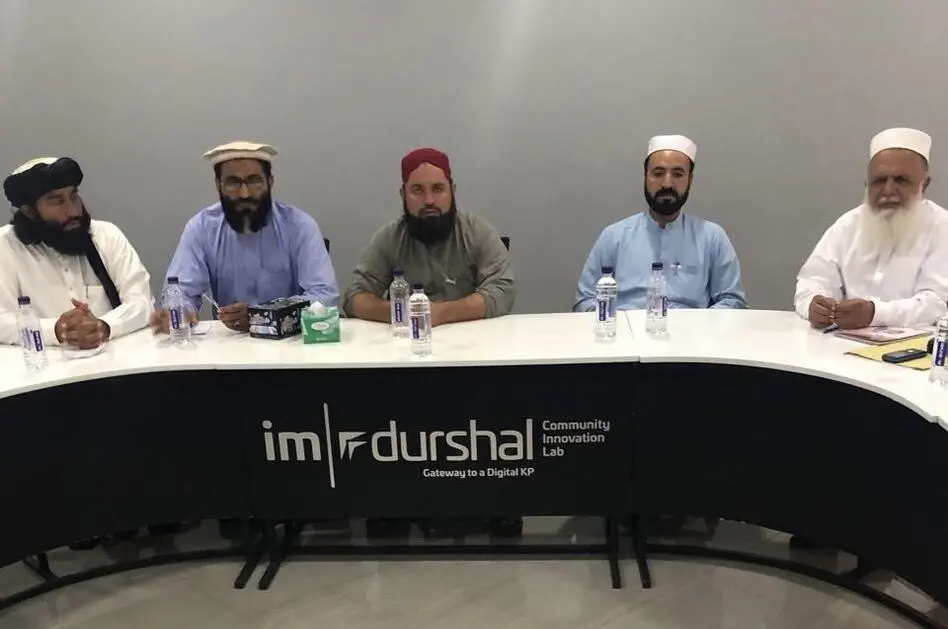
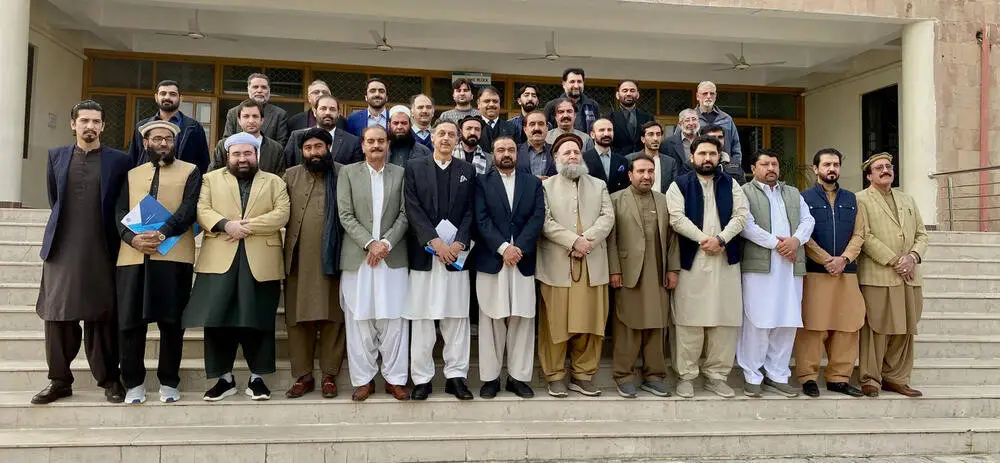
This session was attended by Afghanologists, academics, civil society representatives, and members of the intelligentsia—creating a space for thoughtful, informed, and responsible reflection on a sensitive regional matter.
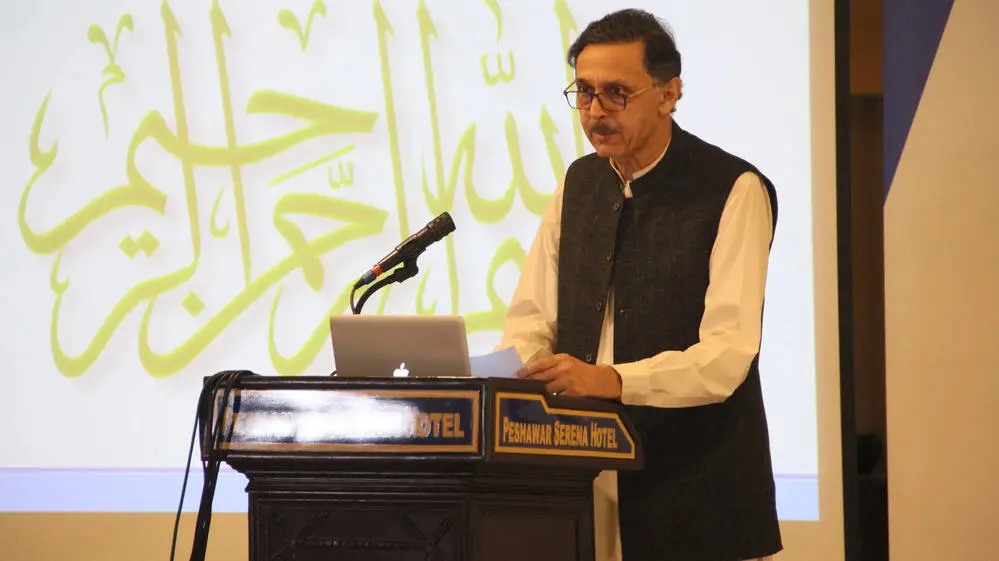
The discussion opened with a recitation from the Holy Quran, followed by introductory remarks from Muhammad Shehzad Arbab, who highlighted the objectives of the roundtable and Aspire-KP’s broader mission.
Dr. Qibla Ayaz provided an overview of the current state of Pakistan–Afghanistan relations, helping contextualize the conversation for participants. After several rounds of open dialogue, a summary of the key points and recommendations was presented by Hifz ur Rahman.
While speakers brought diverse experiences and perspectives, a number of common threads emerged during the conversations:
Participants stressed the importance of recognizing the historical, cultural, and social interdependence between Pakistan and Afghanistan. A deeper appreciation of each other’s worldviews was viewed as essential for constructive engagement.
Speakers recommended drawing on the insight of individuals—academics, diplomats, and practitioners—who have long studied or worked on Afghan affairs to help shape informed policy approaches.
There was broad agreement that tensions and conflict do not resolve differences. Participants noted that friction harms communities on both sides, especially in vulnerable regions, and may worsen Afghanistan’s already fragile economic and social situation.
The roundtable highlighted the value of involving various societal groups—religious scholars, traders, media, academics, and civil society—in promoting understanding. Strengthening people-to-people contact was seen as an important step toward reducing mistrust.
Pakistan and Afghanistan remain important trading partners. Concerns were raised about challenges faced by traders and exporters, particularly at Torkham. Participants emphasized that smooth trade flows benefit people on both sides and help prevent unemployment-related instability.
Speakers suggested reassessing visa policies and improving their implementation. They also recommended that the Government of KP consider mechanisms to support exporters, importers, and chambers of commerce.
Participants encouraged facilitating Afghans interested in investing in Pakistan or pursuing higher education, viewing these groups as contributors to long-term stability and cooperation.
Recognizing the delicate nature of refugee-related issues, the roundtable emphasized careful implementation, particularly concerning women and children. Ensuring dignity and avoiding situations that could be misinterpreted online were highlighted as priorities.
Speakers noted a gap in informed discourse on Pakistan–Afghanistan relations, especially among the youth. They encouraged a broader reflective movement led by KP’s intelligentsia and suggested institutional efforts to promote deeper understanding.
Given the significance of Pakistan–Afghanistan relations for the entire region, Aspire-KP was encouraged to organize broader discussions at the national level involving participants from across Pakistan.
The Aspire-KP roundtable served as a platform for calm, thoughtful reflection on an issue that is often emotionally charged. The discussion underscored the deep interconnections between Pakistan and Afghanistan—culturally, economically, and socially—and the need for carefully crafted approaches grounded in dialogue, understanding, and inclusive engagement.
By bringing together diverse voices from KP and beyond, Aspire-KP continues to play a constructive role in fostering meaningful conversations on public policy challenges that impact the region.
Mohammad Shehzad Arbab
Chairman, Aspire-KP (Delivered introductory and framing remarks)
Dr. Qibla Ayaz
Board Member, Aspire-KP; Former Chairman, Council of Islamic Ideology (Delivered contextual framing on Pak-Afghan bilateral relations)
Hifz ur Rahman
Board Member, Aspire-KP; Former Secretary Local Government (Presented session synthesis and key policy recommendations)
Related Events
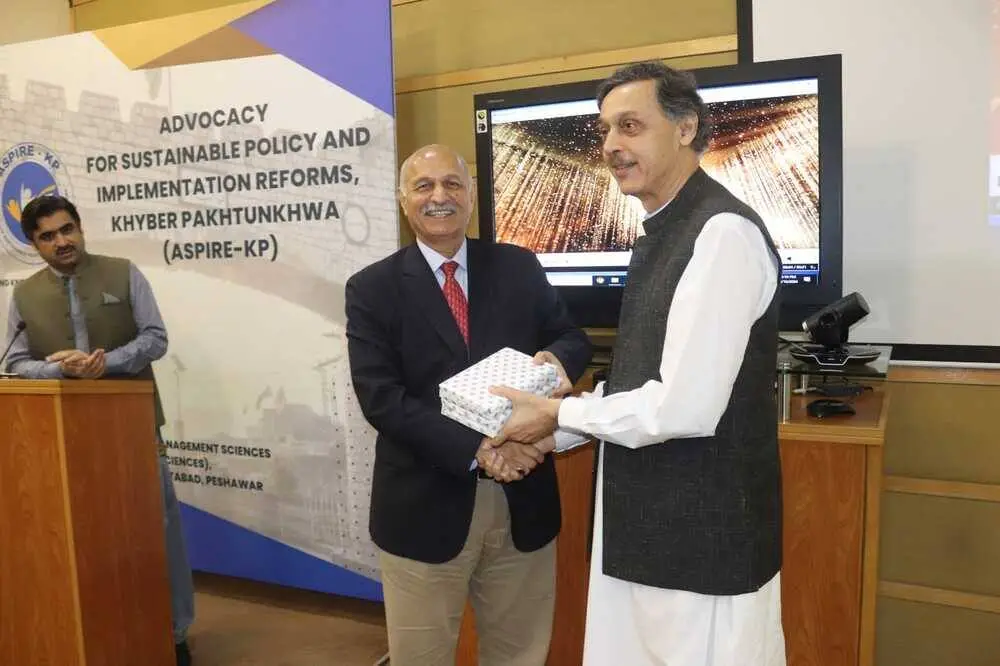
PESHAWAR: ASPIRE-KP officially launched its policy advocacy and research platform…
PESHAWAR: As part of the structured preparatory consultations leading up…
PESHAWAR: In a landmark symposium organized by ASPIRE-KP on the…
PESHAWAR: ASPIRE-KP convened a consultative roundtable on the legal, constitutional,…
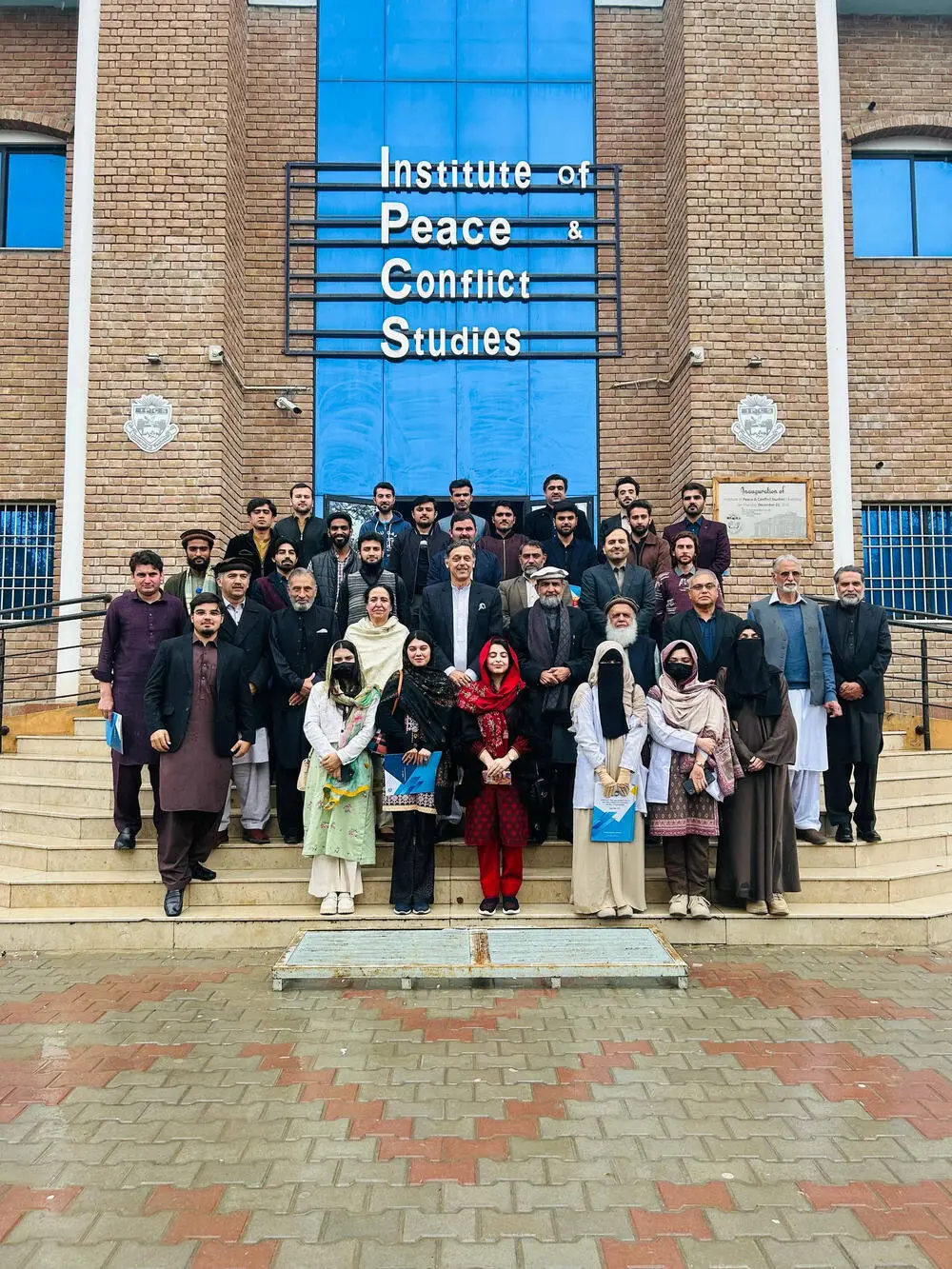
PESHAWAR: Aspire-KP organized an interactive panel discussion titled “Peshawar University…
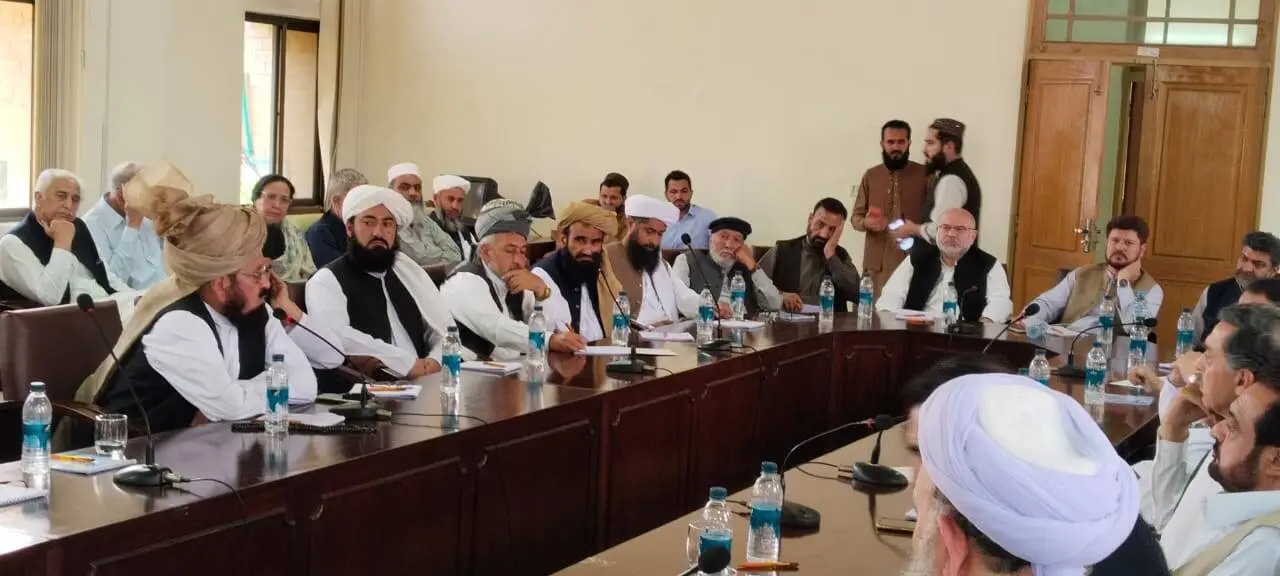
PESHAWAR: Jointly organized by Aspire-KP and Qaumi Islahi Tehreek, the…
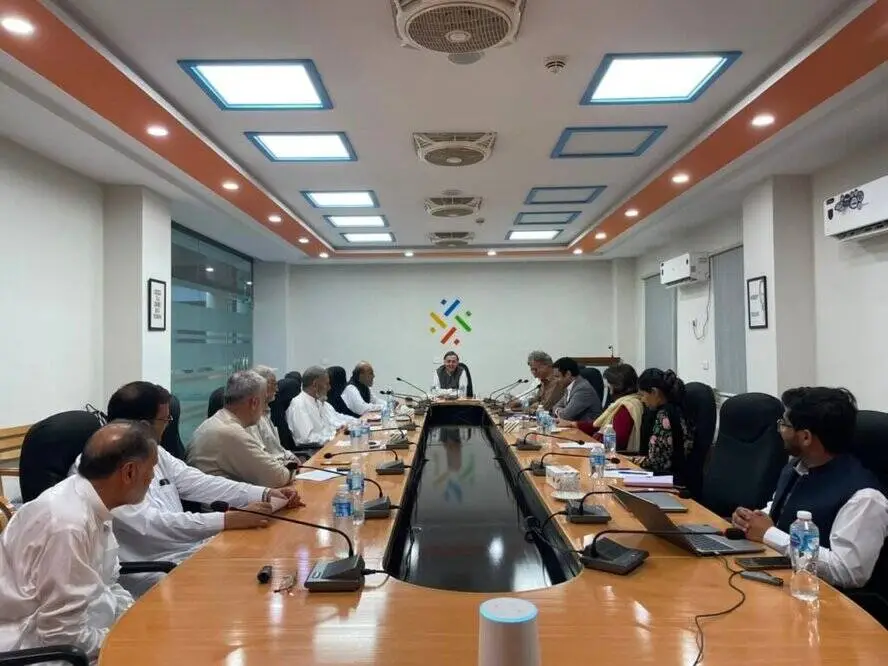
Aspire-KP formally launched its inaugural Fellowship Programme at the University…