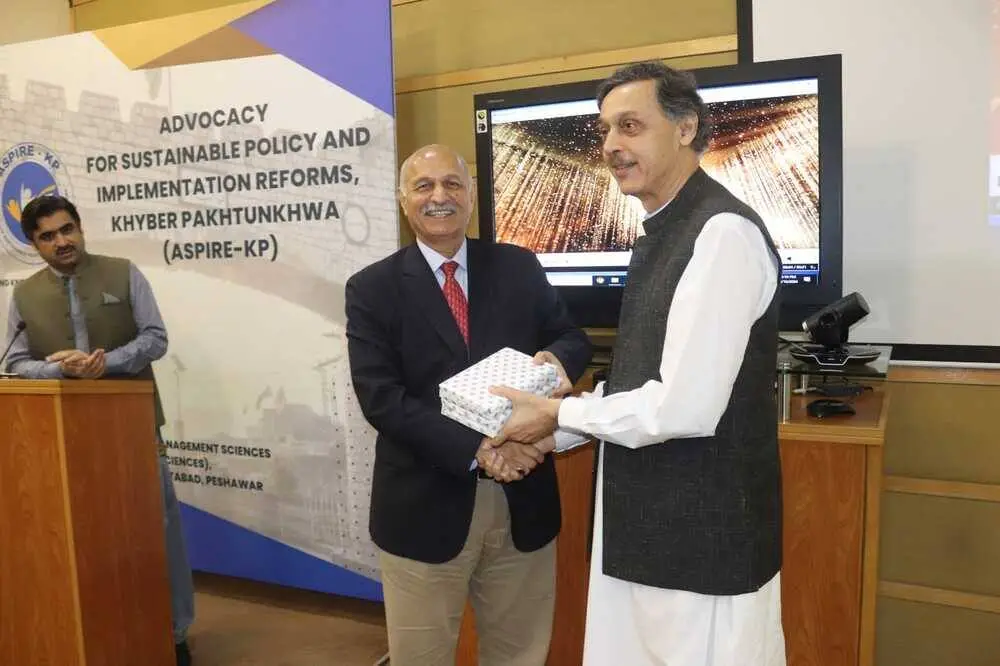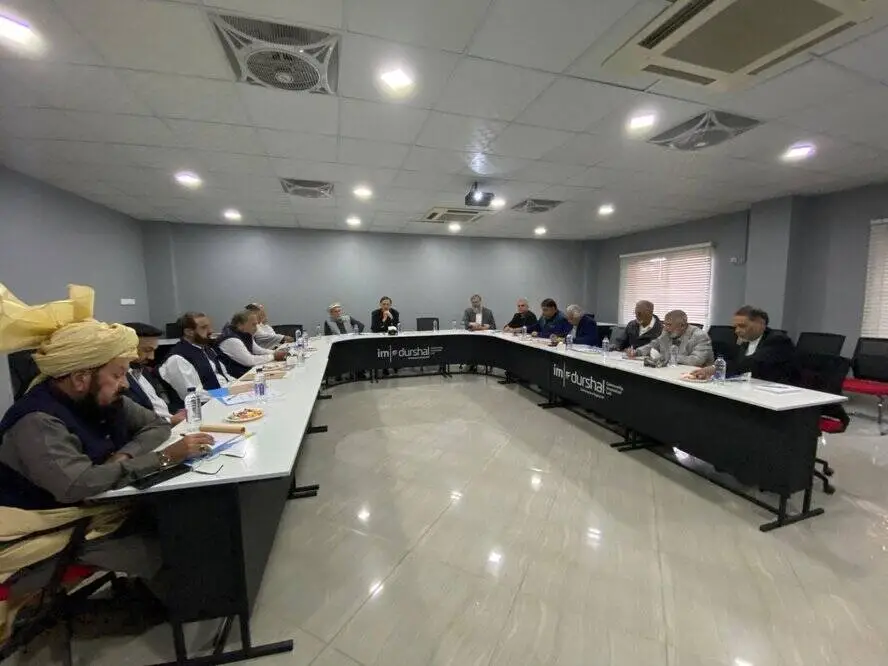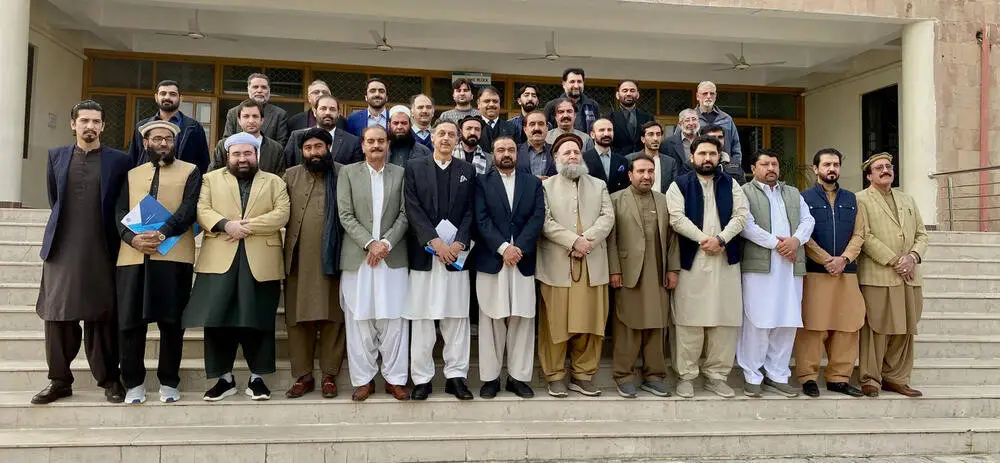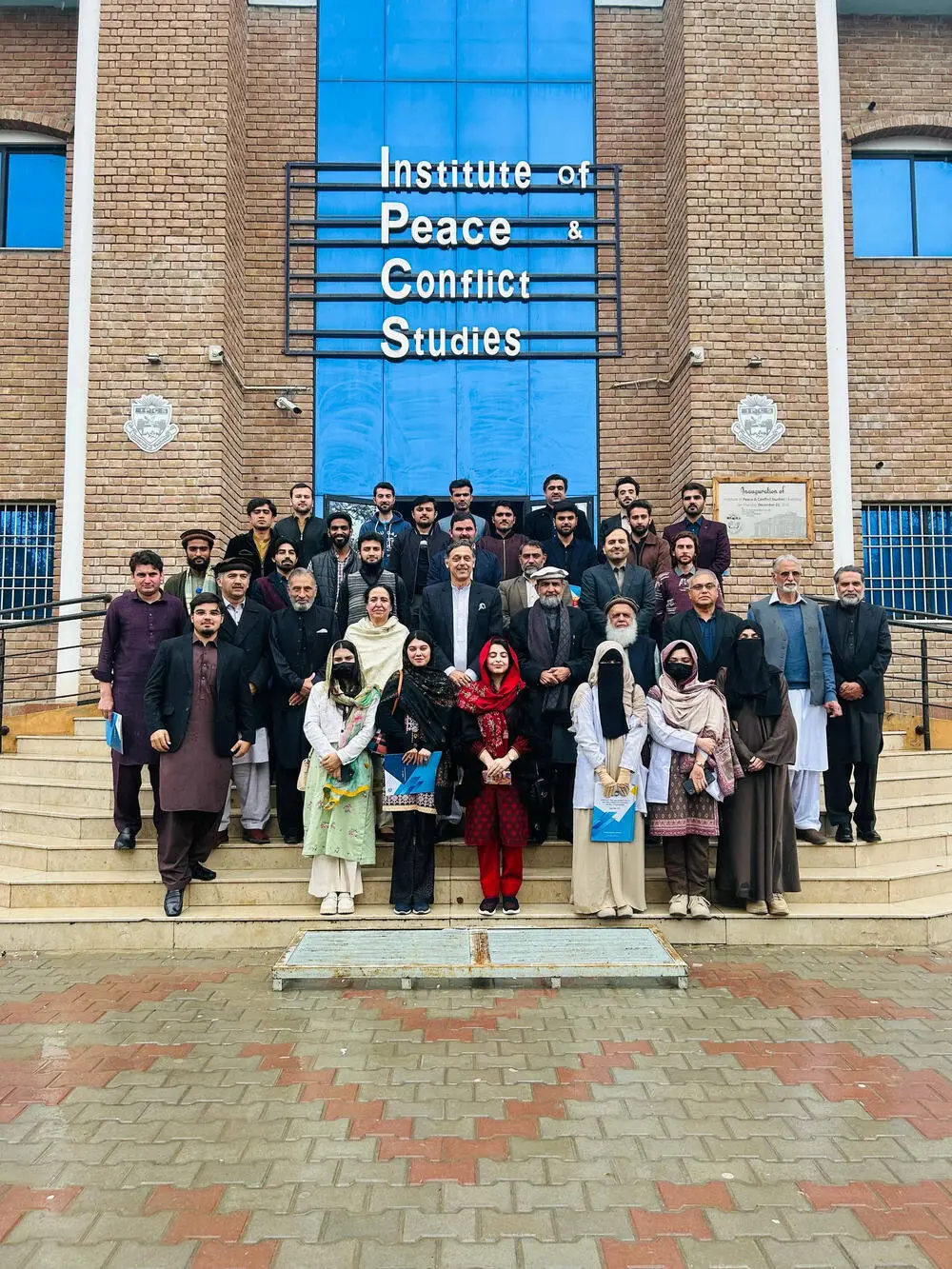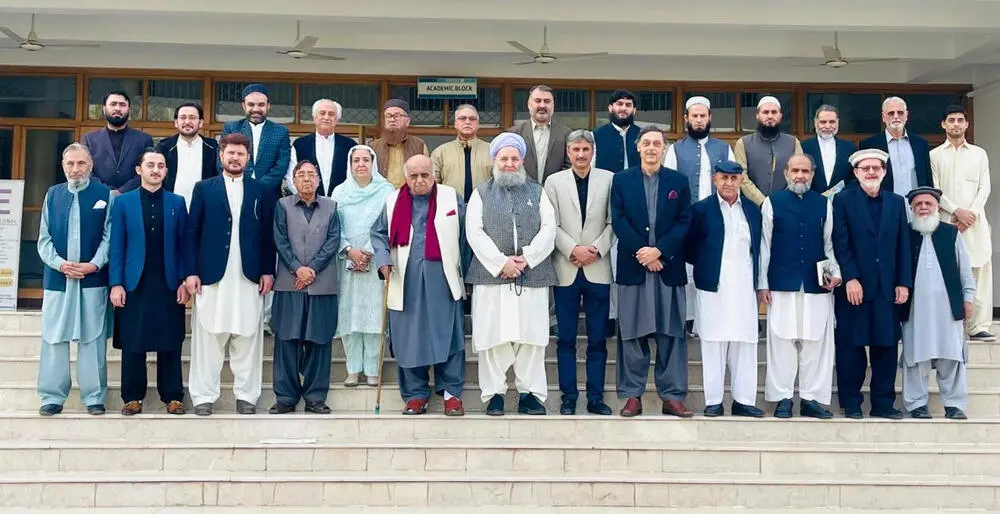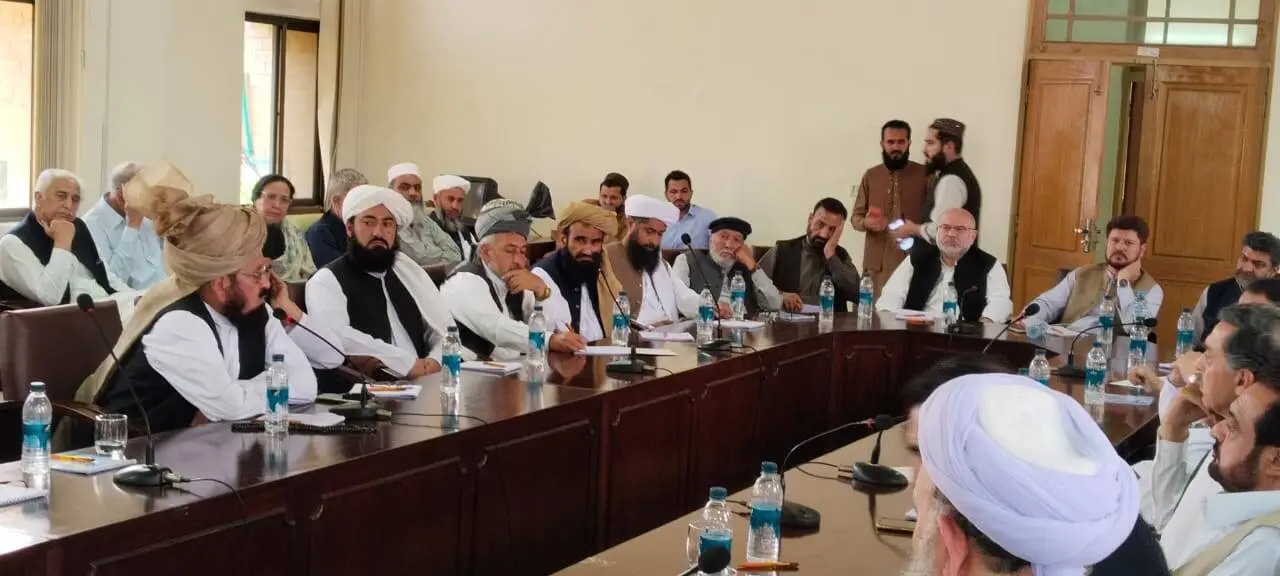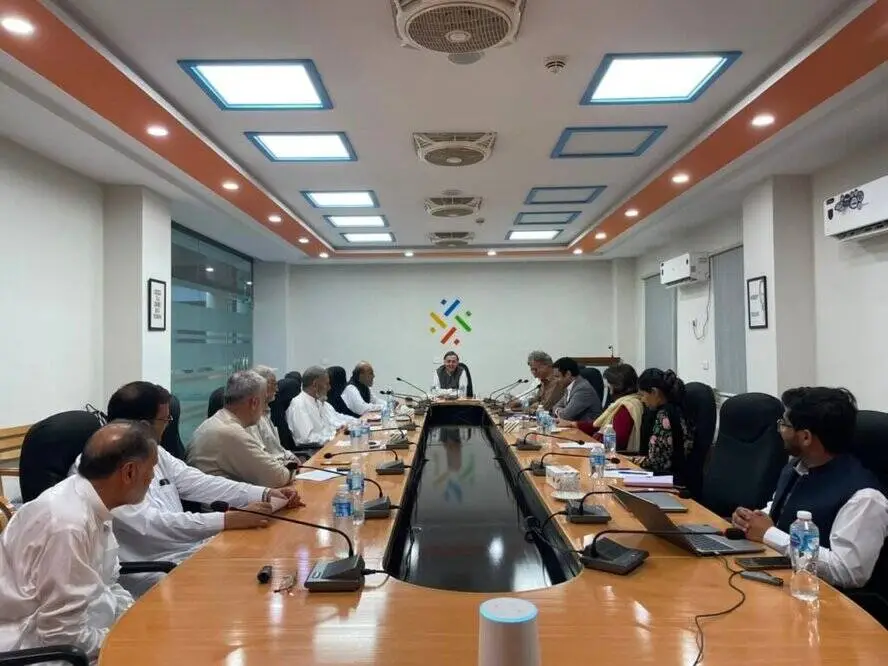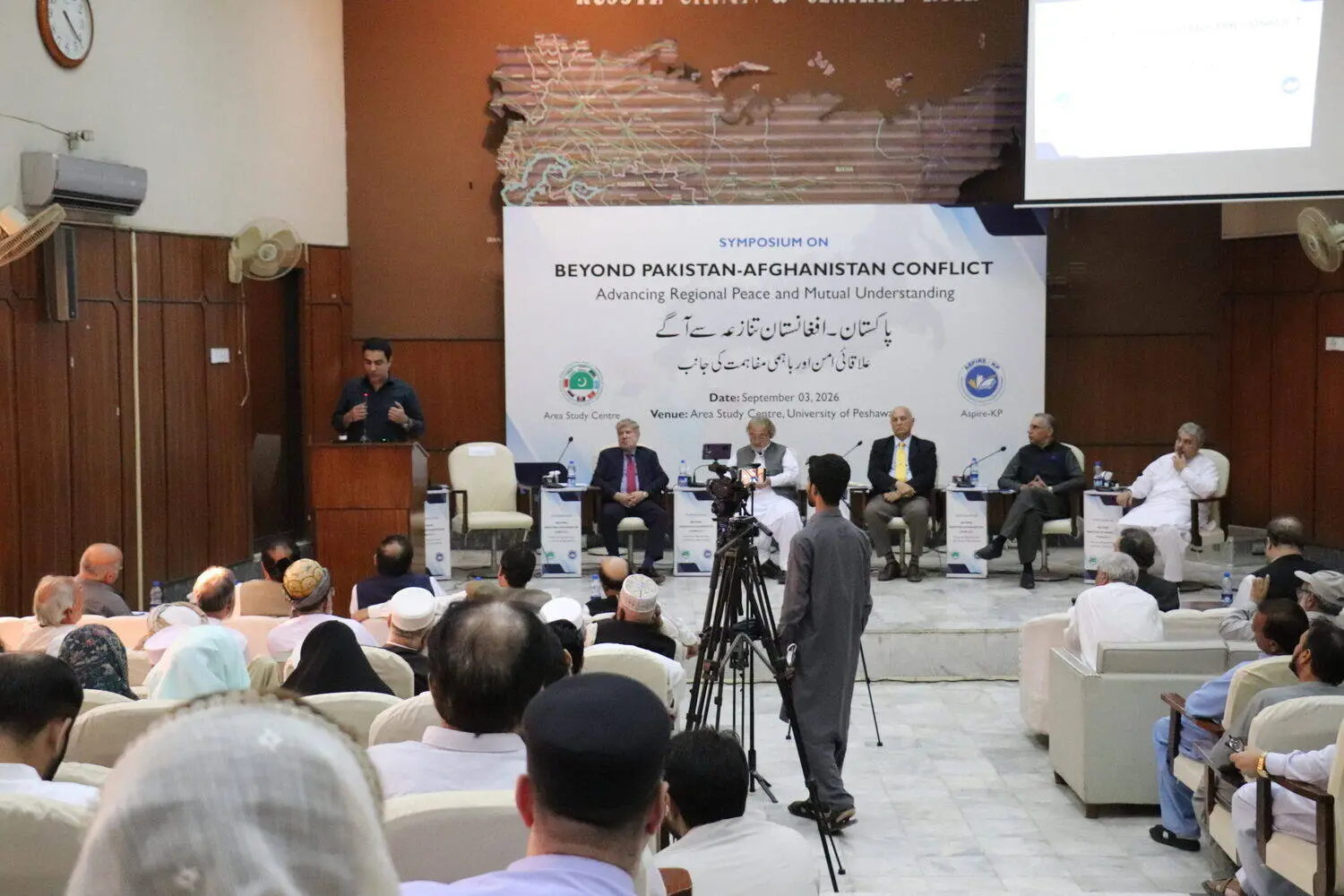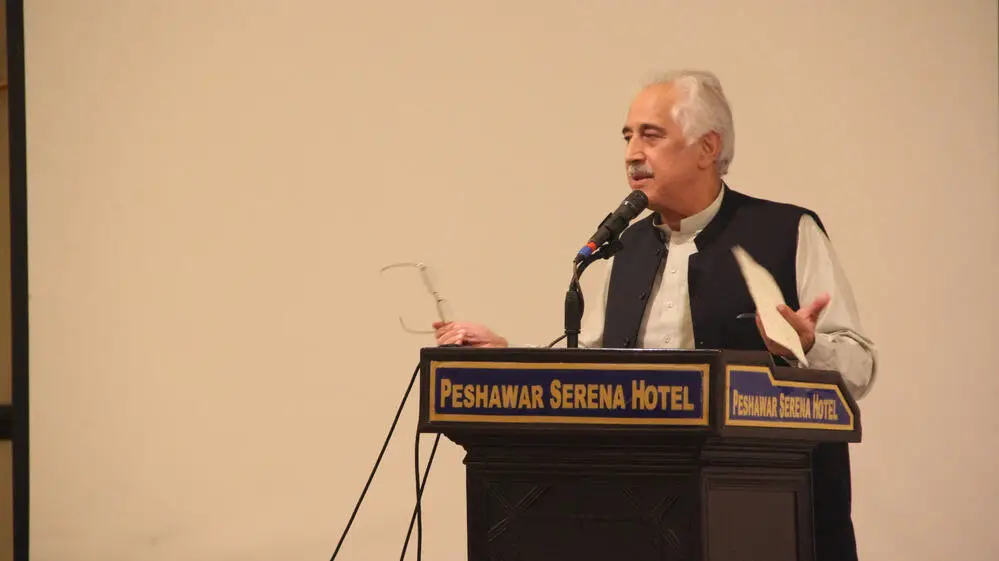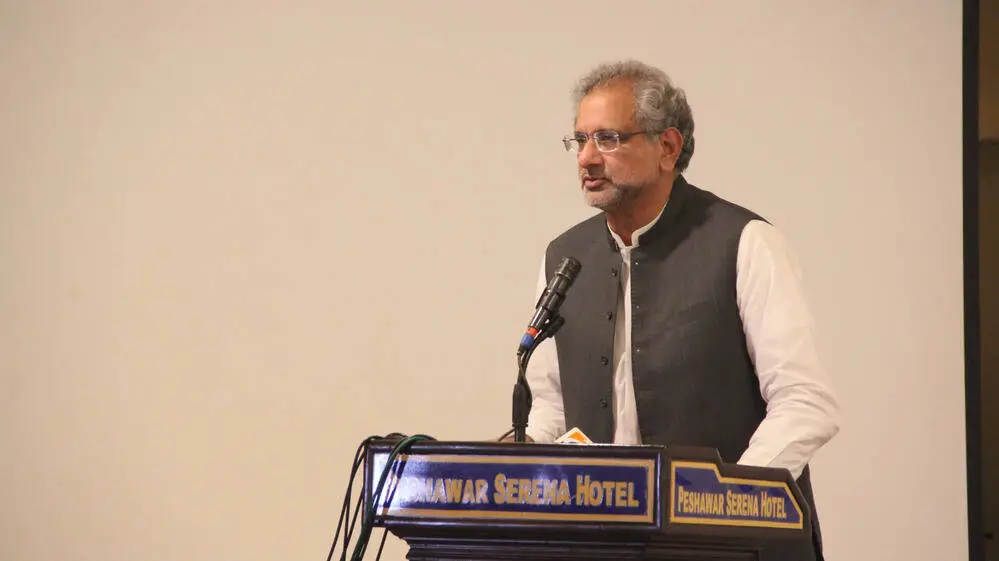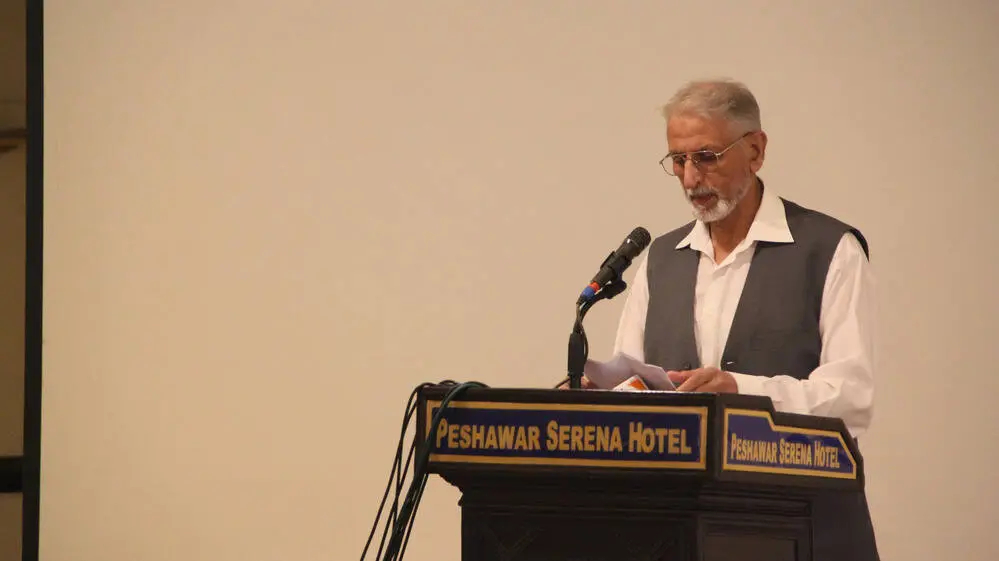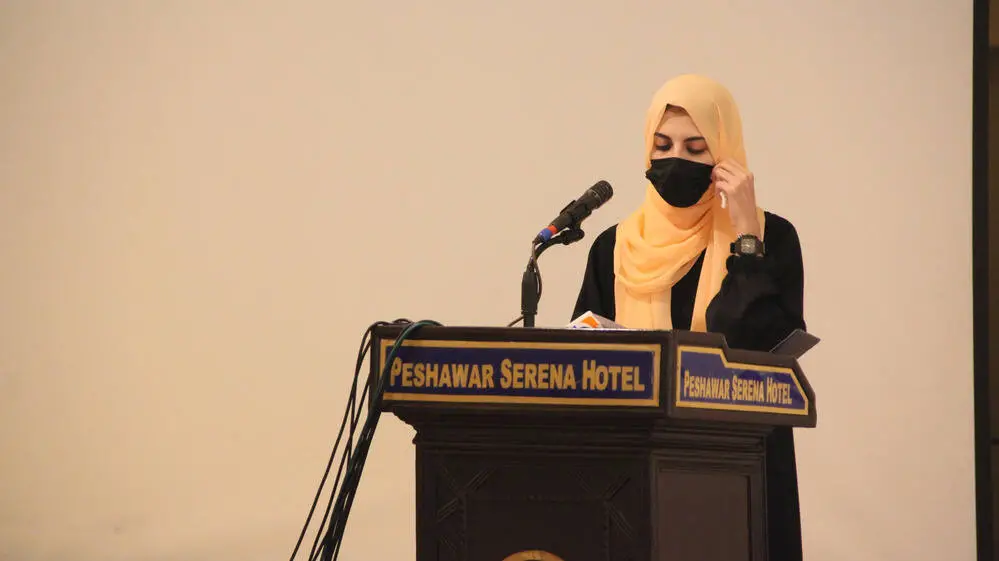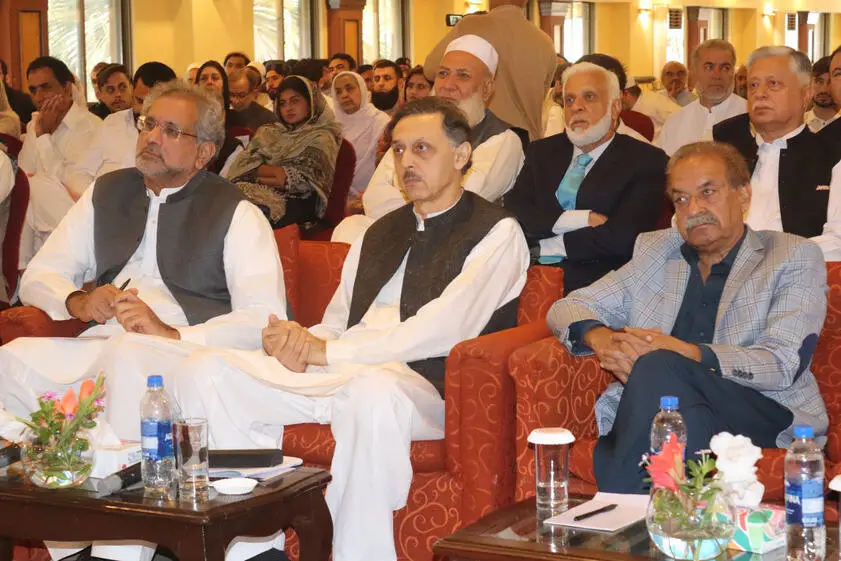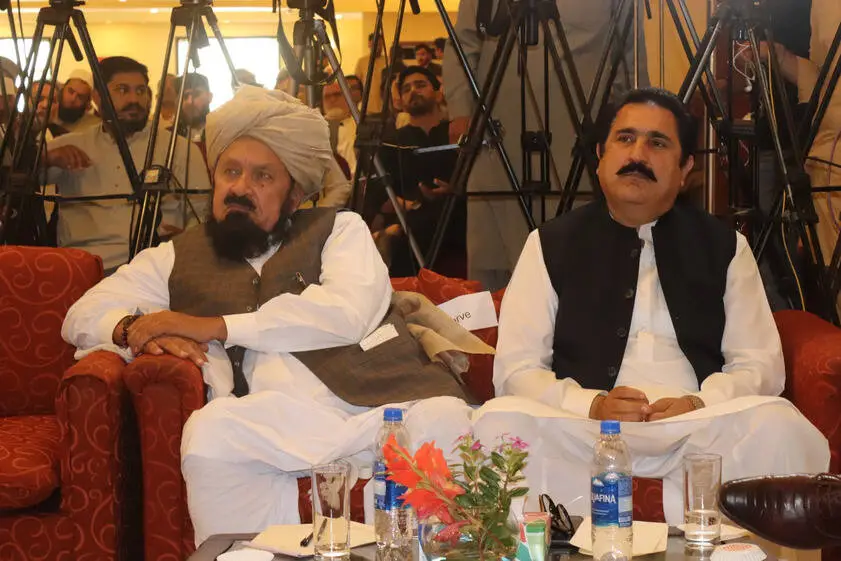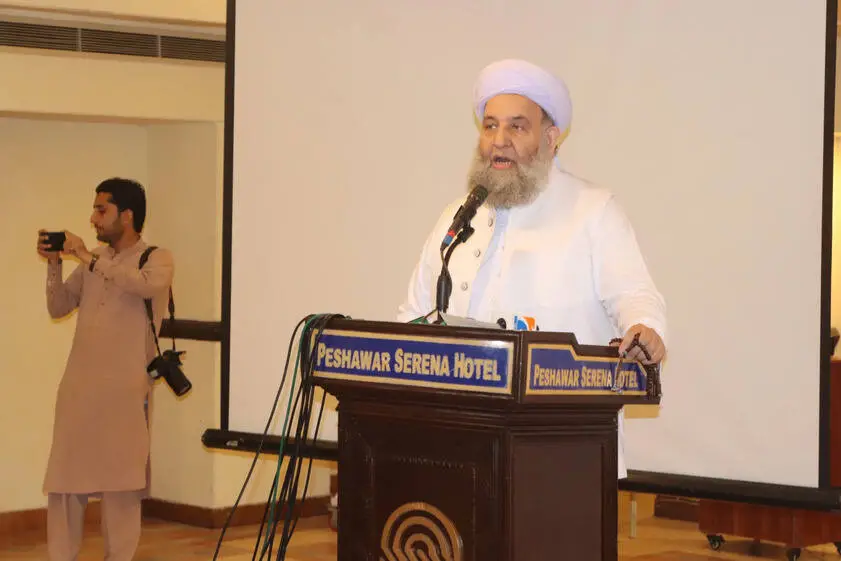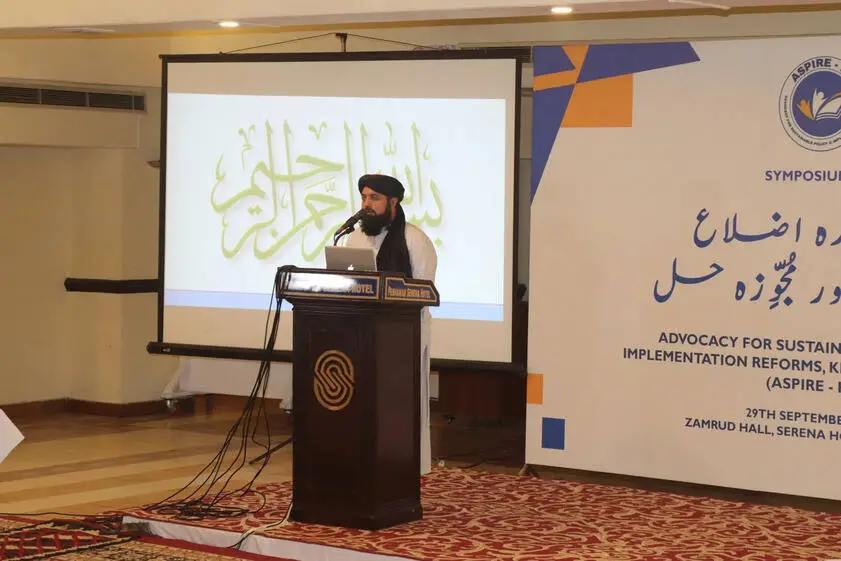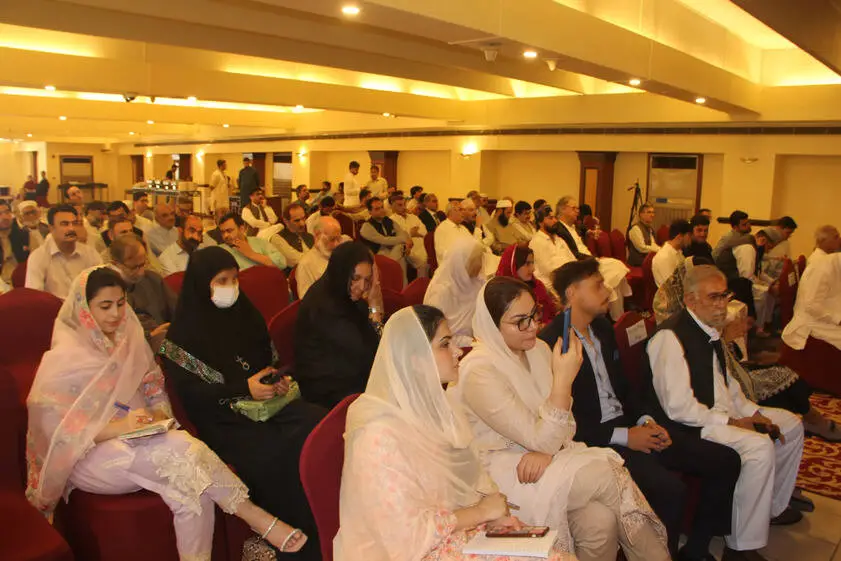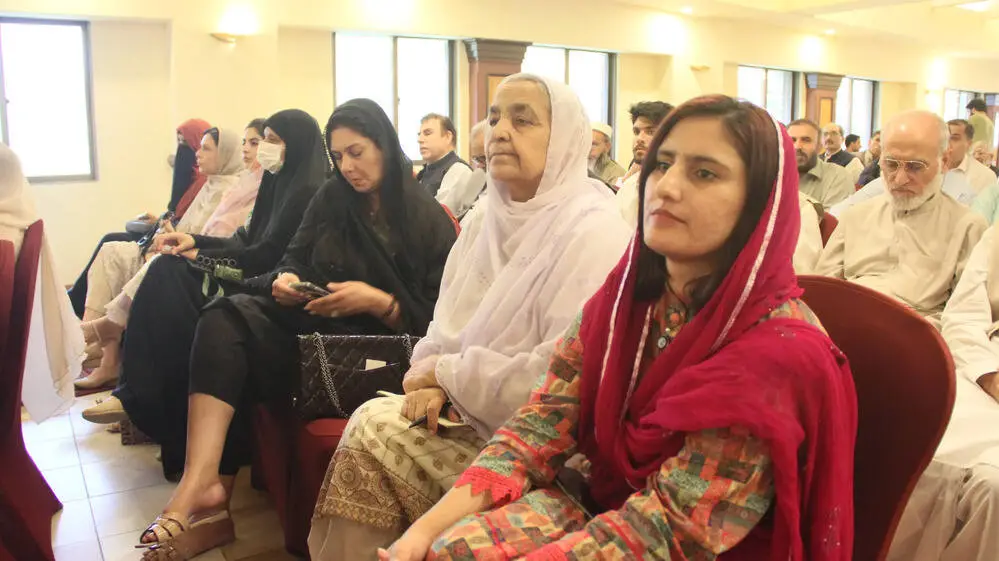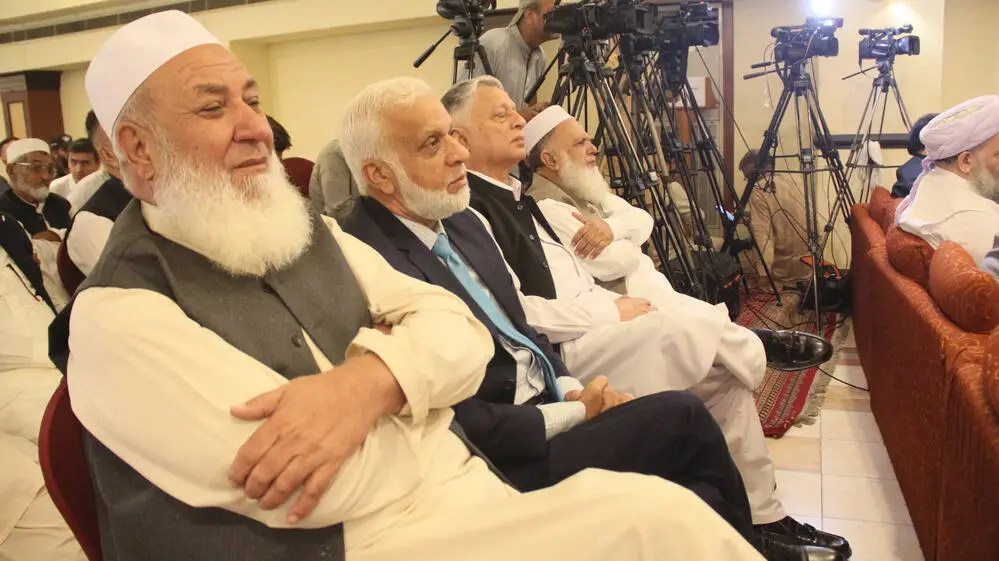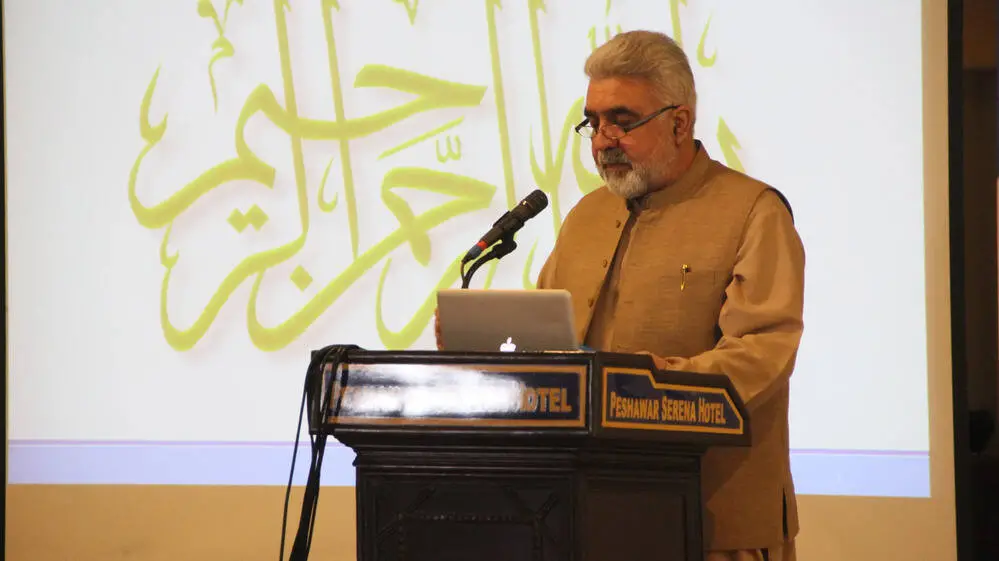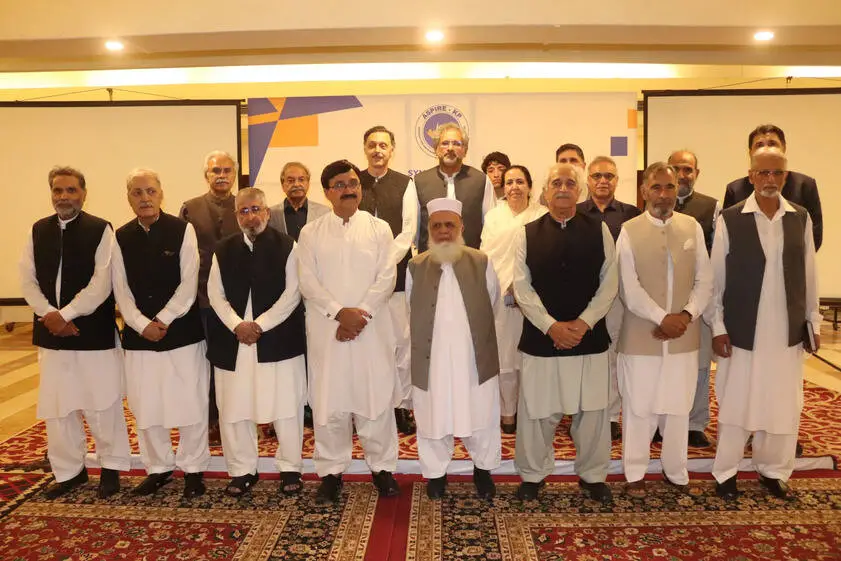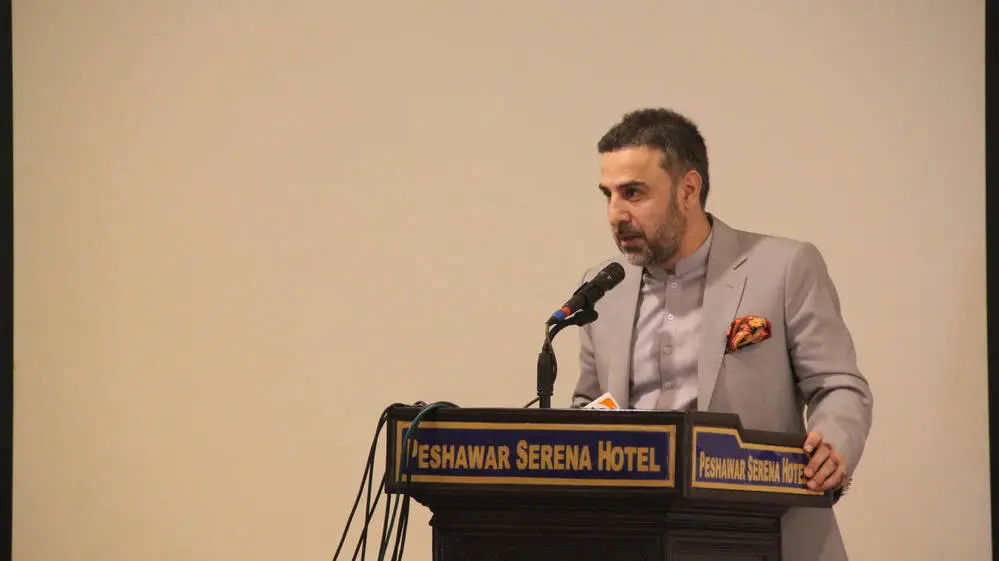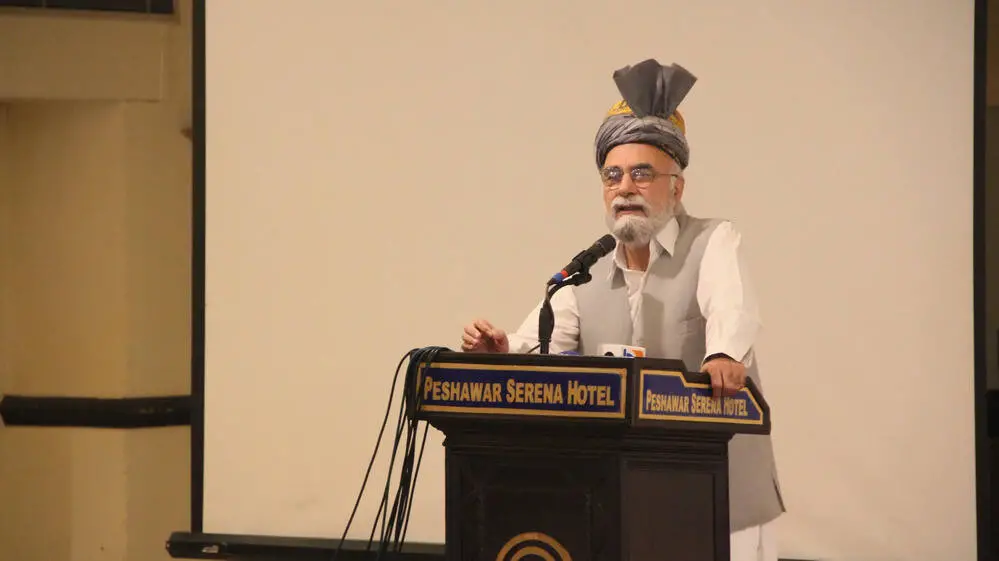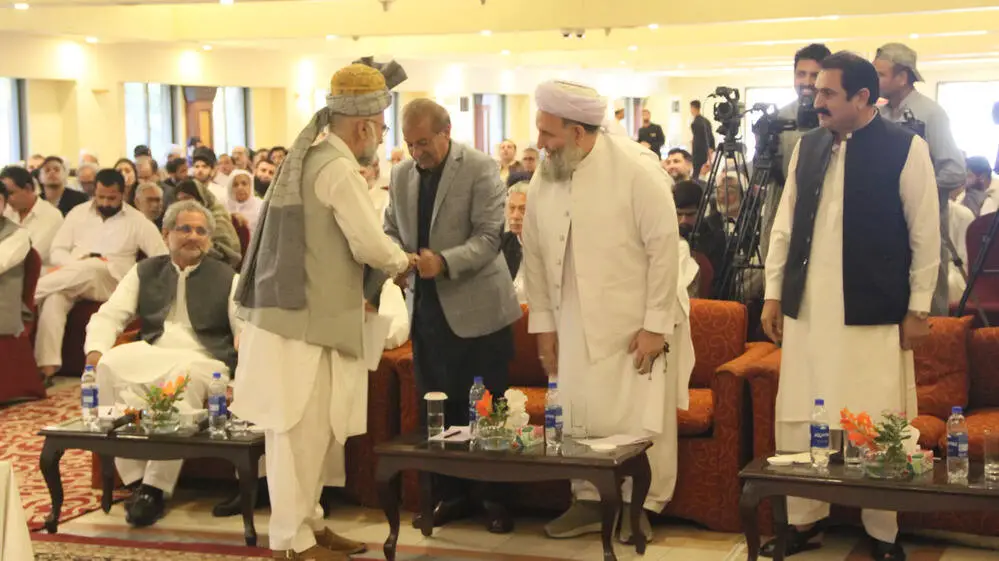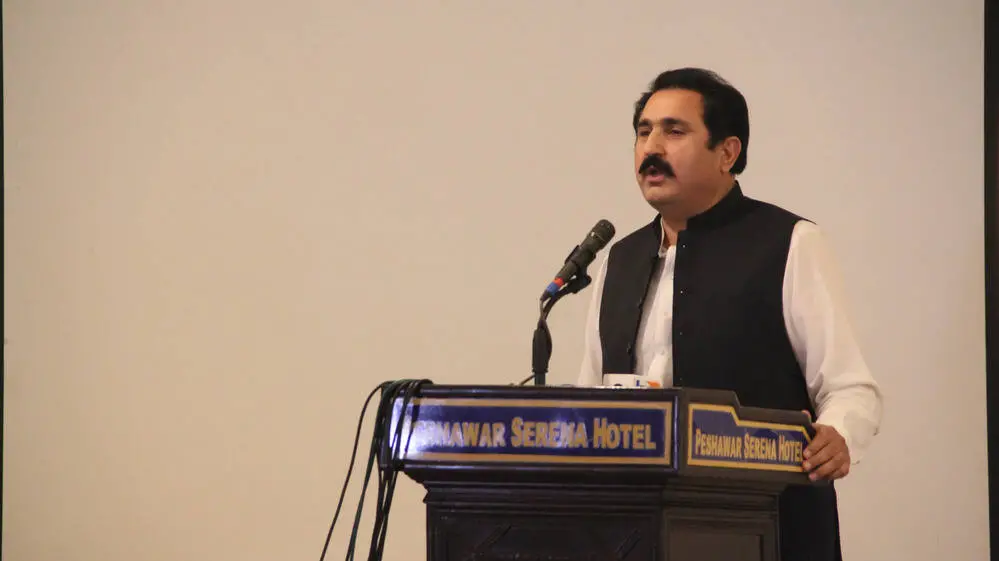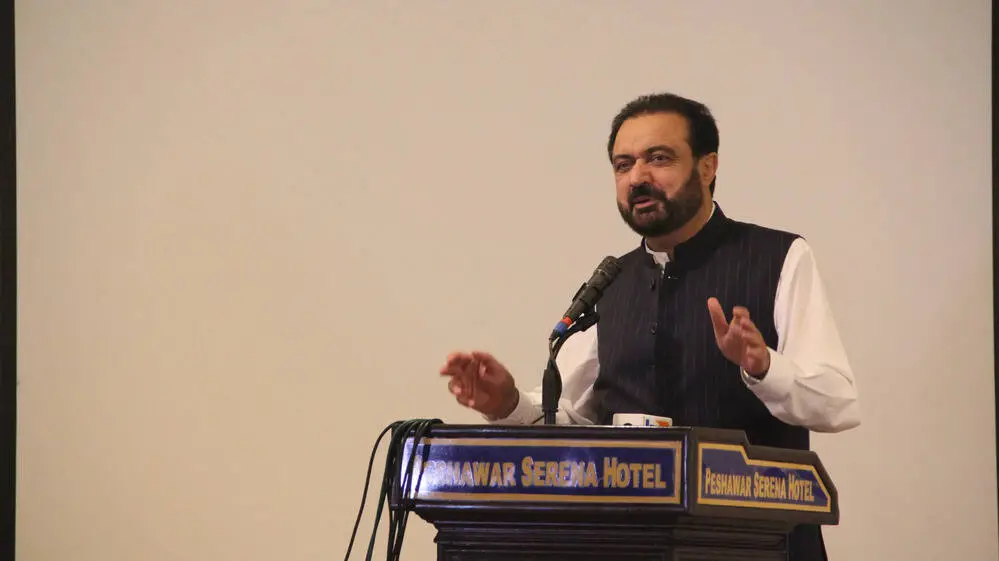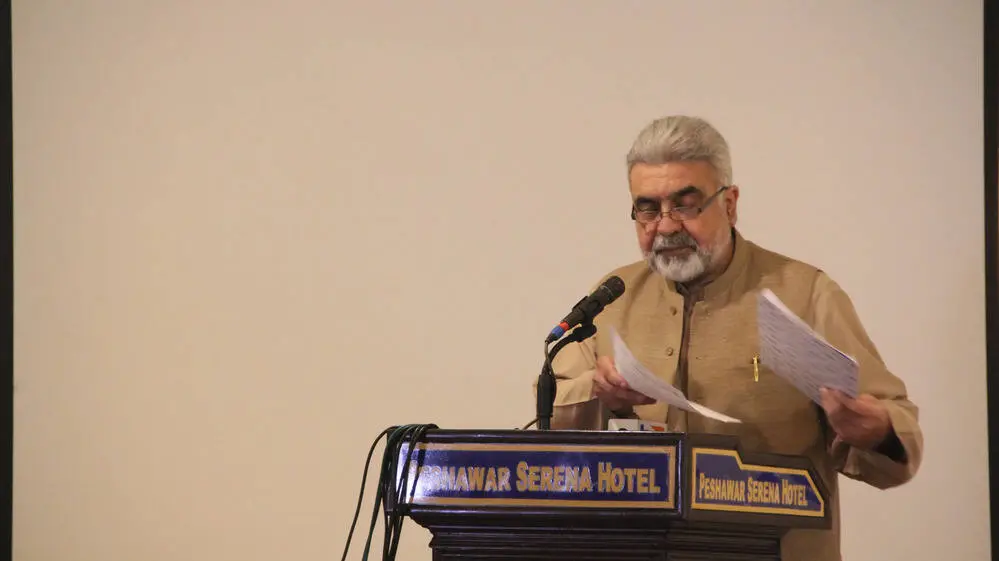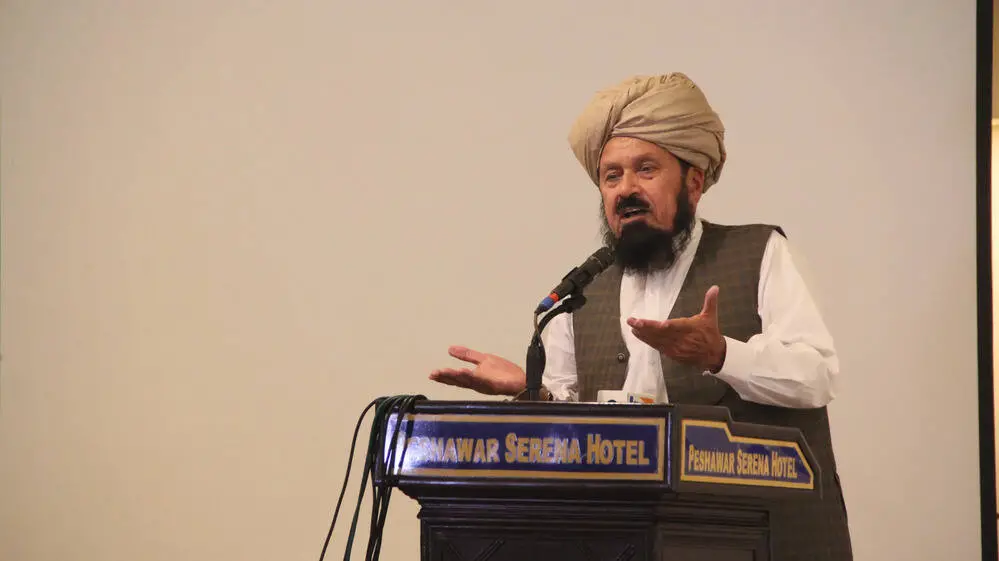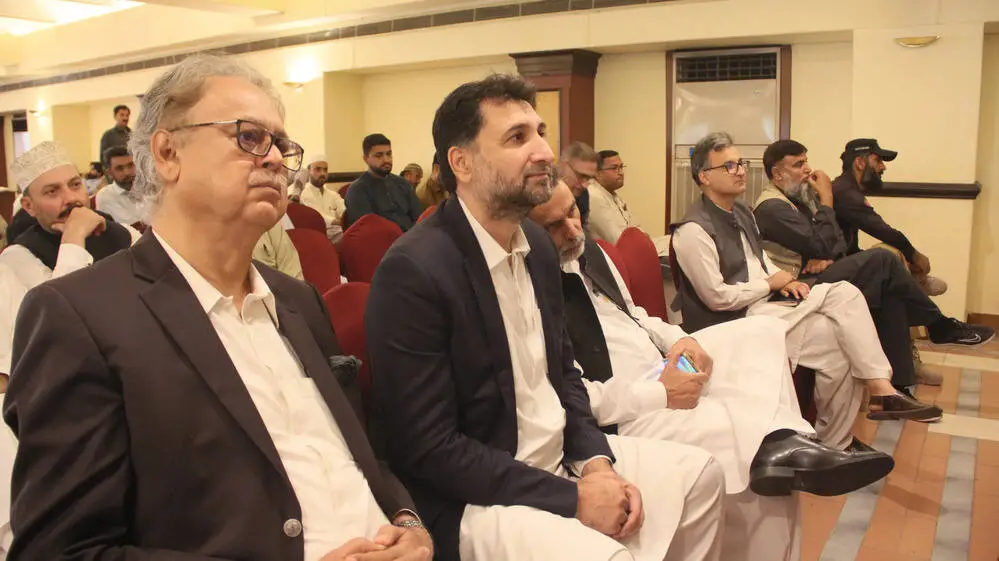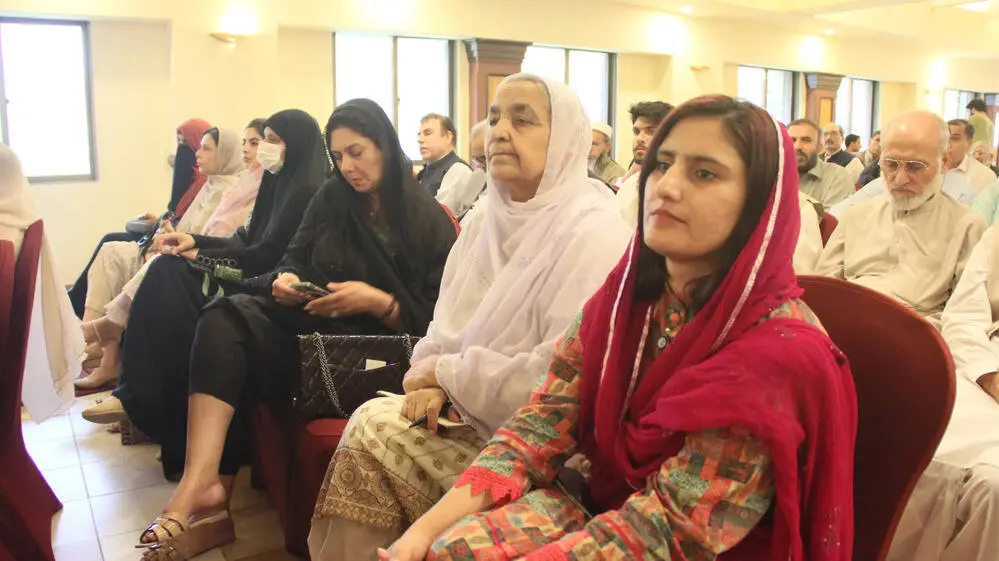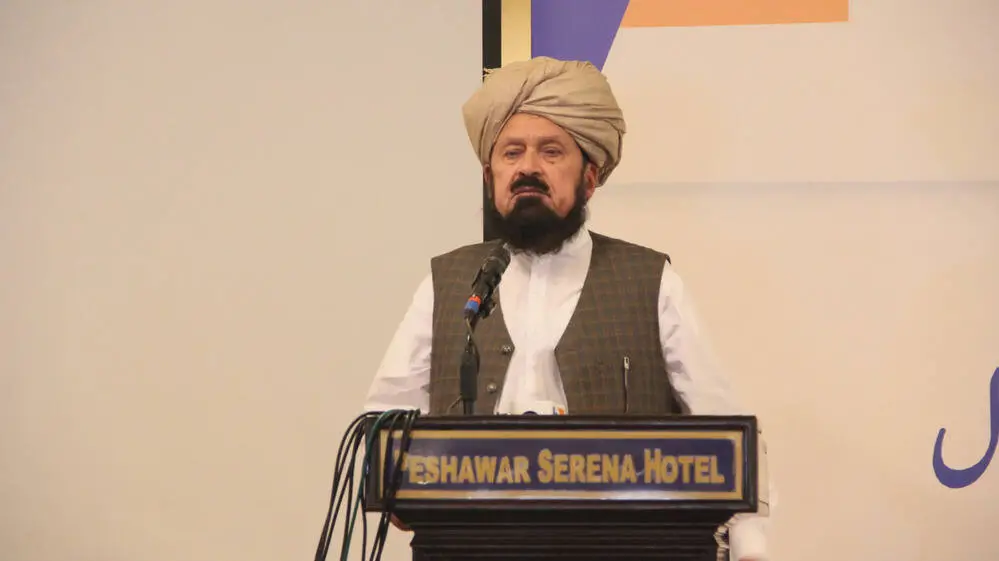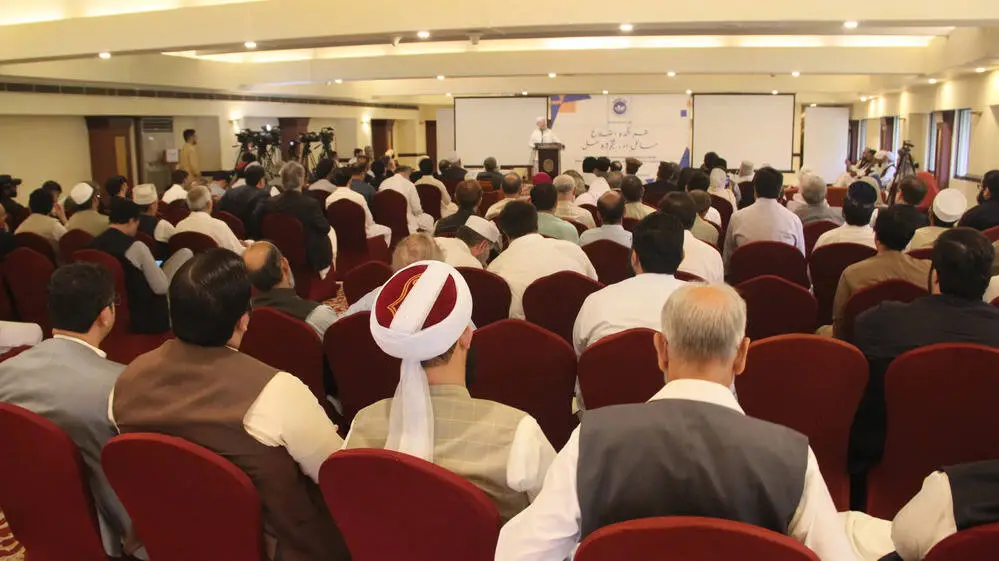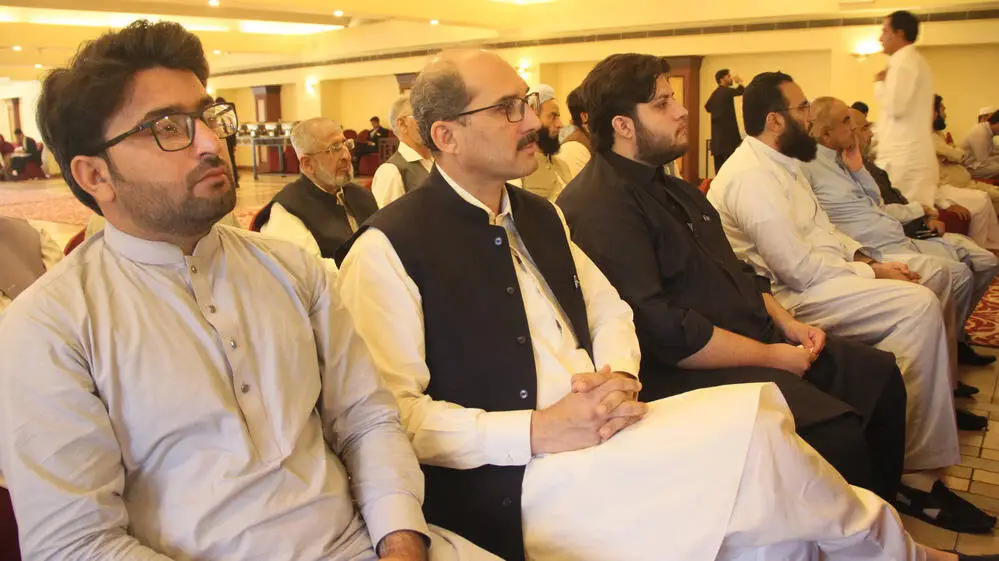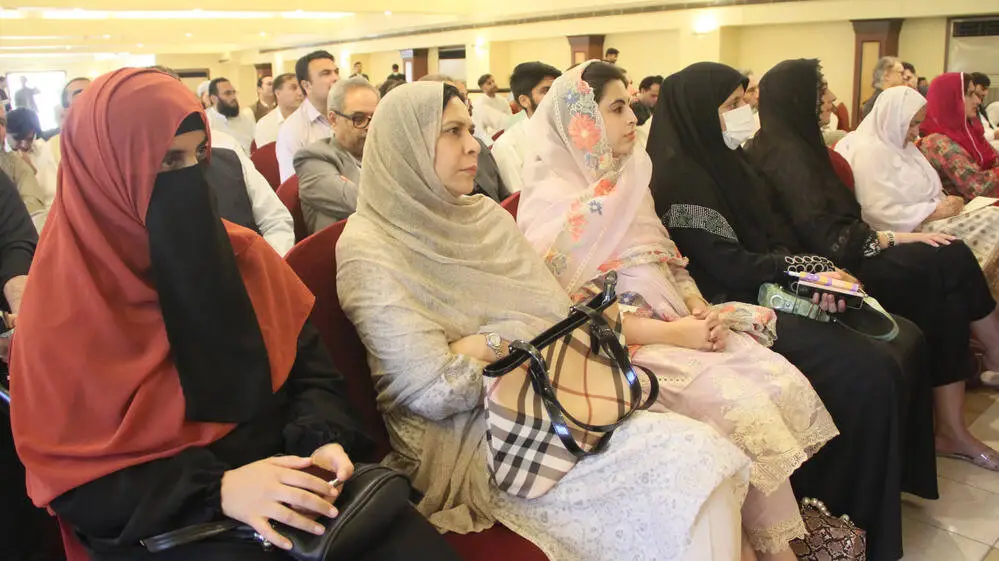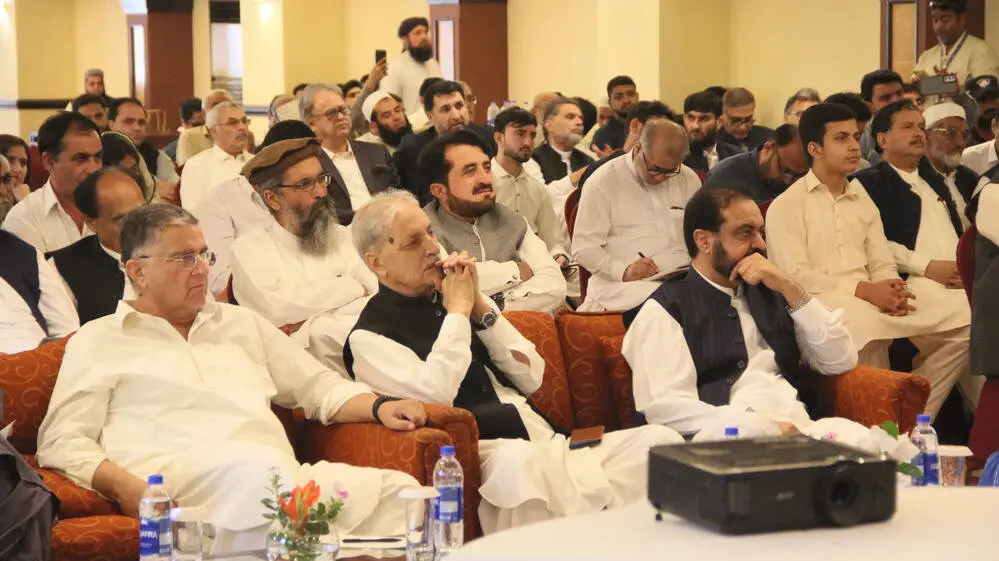

In a recent symposium convened by ASPIRE-KP, a collective of political and civil society representatives, tribal elders, academicians, former bureaucrats, journalists, and students from the Merged Districts (erstwhile FATA), came together to address the pressing challenges faced by this region. Since the historic merger of FATA into Khyber Pakhtunkhwa (KP) in 2018, the region’s potential for peace, development, and integration into Pakistan’s socio-economic fabric has been met with new obstacles. The symposium, an initiative of ASPIRE-KP’s Advocacy for Sustainable Policy and Implementation Reforms, outlined both the difficulties and the proposed way forward.
Key Challenges Faced by the Merged Districts
Six years after the 25th Amendment, the promise of peace and development remains unfulfilled for the Merged Districts. Participants at the symposium voiced deep concerns about the following critical challenges:
- Resurgence of Terrorism: The mainstreaming of erstwhile FATA aimed to bring peace and security essential for development, economic growth, and social progress. Six years later, the recent resurgence of terrorism has reignited serious concerns regarding regional stability and safety.
- Insufficient Funding: Persistent default by the Federation and non-contributing Federating Units on committed recurrent expenditures and development allocations continues to severely impede progress.
- Inadequate Governance: The Merged Districts struggle with weak institutional frameworks, limited administrative capacity, and poor inter-agency coordination across civilian institutions.
- Justice Delivery Deficits: The justice system remains inadequate, marked by limited court access, inefficient dispute resolution mechanisms, lack of legal aid, protracted case backlogs, and absent protection frameworks for vulnerable groups, including women and children.
- Limited Job Opportunities: Widespread youth unemployment exacerbates regional poverty and socio-economic vulnerability, demanding urgent interventions.
- Unsatisfactory Service Delivery in Education: Dilapidated infrastructure, obsolete curricula, and an acute shortage of qualified teachers severely undermine educational attainment, widening regional disparities.
- Deficits in Healthcare Infrastructure: Shortages of certified medical professionals, inadequate facilities, and absent emergency services compromise baseline health indicators, escalating preventable mortality.
- Non-Empowerment of Local Governments: Centralized retention of administrative and financial authority continues to paralyze elected local councils, denying grassroots communities a voice in regional development.
Proposals for the Way Forward
Recognizing the urgent need to honor the commitments undertaken towards the people of erstwhile FATA—which underpin the spirit and constitutional intent of the 25th Amendment—the symposium presented an actionable reform agenda for federal and provincial authorities:
Peace, Security & Regional Stability
- Addressing the Peace and Security Imperative: Immediate, coordinated interventions are required from both the Federal and Provincial Governments to confront security risks head-on, including an active pursuit of constructive dialogue and structured reconciliation processes.
Fiscal Rights & Resource Mobilization
- Federal Funding Allocation: The Federal Government must fulfill its statutory pledge to allocate the 3% share from the Federal Divisible Pool (FDP) annually and clear historical arrears stemming from non-contribution by other provinces since 2019.
- Transparent Funding Mechanisms: The Government of Khyber Pakhtunkhwa should establish a dedicated Escrow Account (or temporary Account V) to reassure contributing stakeholders that all allocated funds are spent exclusively on verifiable development in the Merged Districts.
- Resolution Through the Council of Common Interests (CCI): The provincial administration should formally requisition an urgent CCI session while pursuing rigorous, evidence-based engagement under the National Finance Commission (NFC) framework to secure predictability in fund transfers.
Governance, Law & Dispute Resolution
- Public Safety and Capable Administration: Address administrative and rule-of-law deficits by deploying upright, highly qualified Deputy Commissioners, District Police Officers, and Sessions Judges on fixed minimum tenures of two years.
- Strengthening Conflict Resolution & ADR: Integrate formal statutory Alternative Dispute Resolution (ADR) frameworks while granting constitutional recognition and legal backing to traditional tribal dispute-resolution mechanisms.
Economic Revitalization, Trade & Rehabilitation
- Facilitating Cross-Border Trade: Reopen conventional, designated cross-border trade corridors with Afghanistan to offset local economic distress caused by restrictive border regimes and revitalize transit commerce.
- Resolving TDP Resettlement: Expedite the complete return and comprehensive rehabilitation of Temporarily Displaced Persons (TDPs), completing structural reconstruction of damaged housing and commercial assets on war footings.
- Promoting Inclusive Enterprise: Expand formal banking services, microfinance programs, and SME loan portfolios, with tailored financial-inclusion facilities supporting Women-Led Businesses (WLBs).
- Mineral Extraction & Land Settlement: Establish transparent regulatory regimes and physical infrastructure to commercialize the region’s mineral wealth, alongside an expedited, formal land-settlement and boundary demarcation process.
- Basic Utilities: Prioritize federal and provincial joint action to resolve chronic electricity and natural gas deficits across all tribal districts.
Human Development & Social Delivery
- Health and Education Incentives: Overhaul basic schools and medical centers while introducing hardship allowance packages and incentivized emoluments to attract and retain certified teachers and healthcare specialists.
- Local Government Devolution: Devolve executive powers, operational assets, and adequate budgetary allocations directly to elected Tehsil Local Governments to drive participatory community development.
A Collective Commitment for Change
As the symposium concluded, participants reaffirmed their shared resolve to advocate relentlessly for the constitutional and economic rights of the people of the Merged Districts. Addressing these structural deficits through decisive political will and rigorous policy execution remains the only viable route to realizing the peace, dignity, and prosperity promised in 2018.