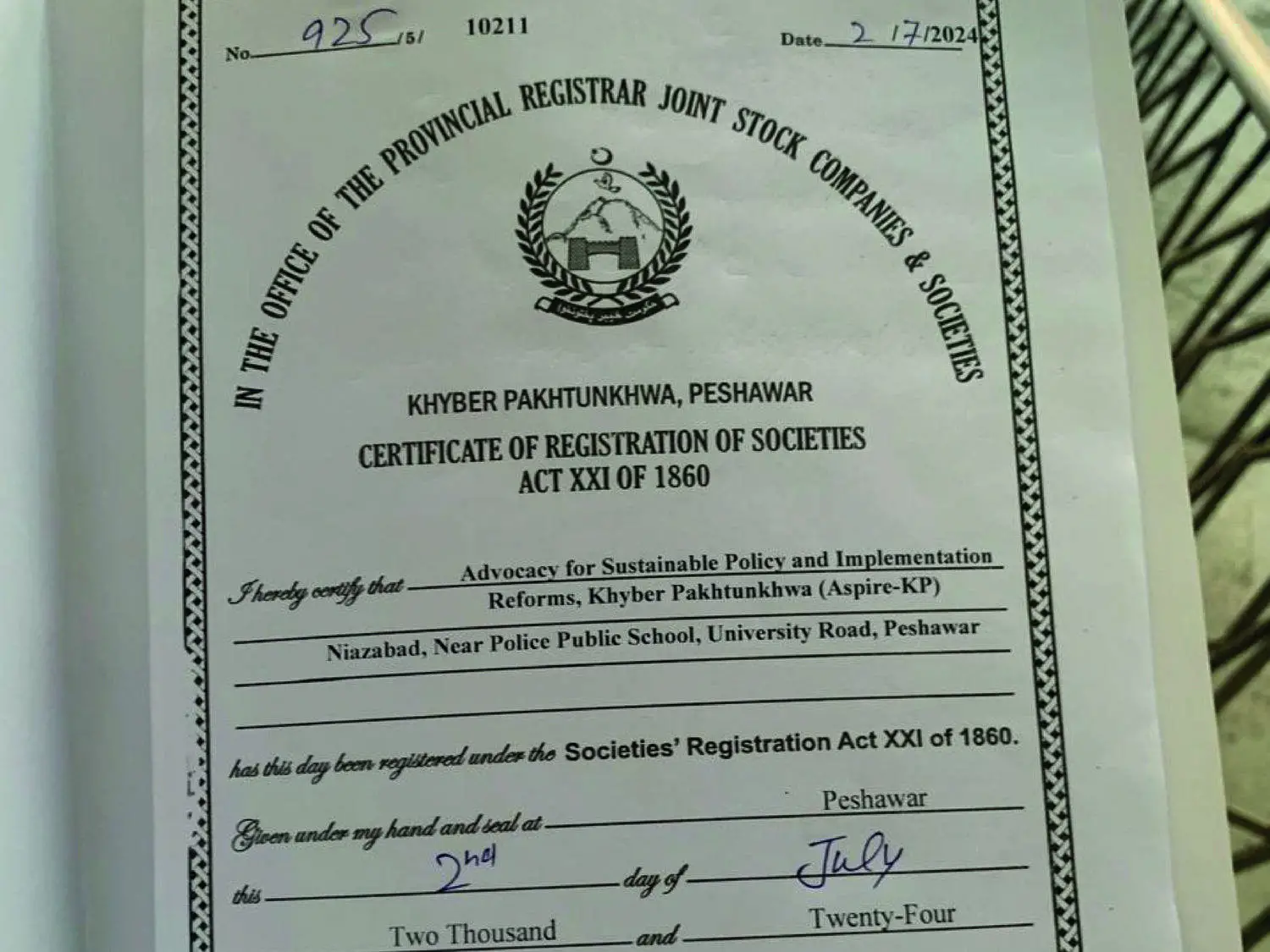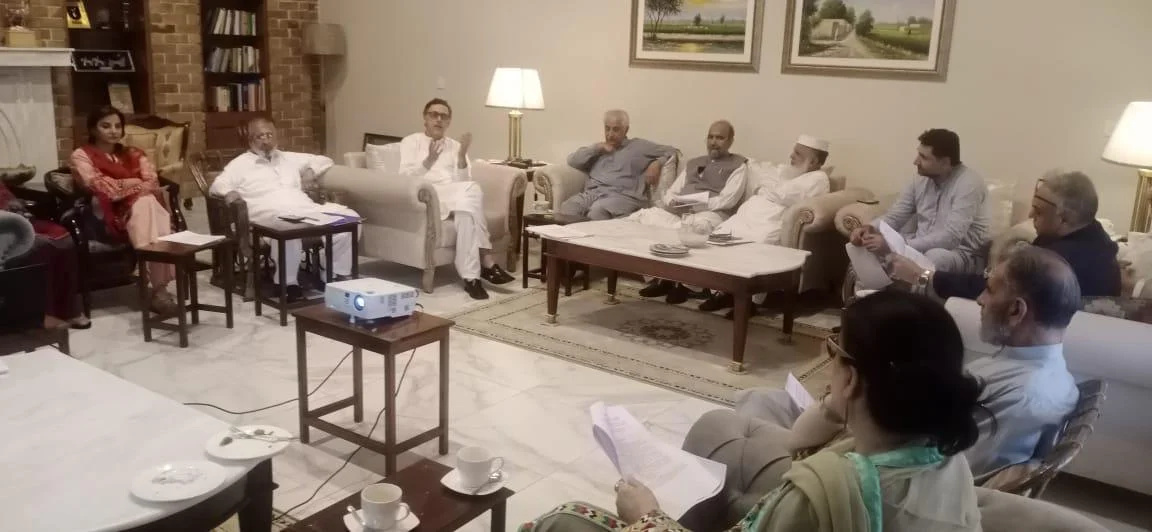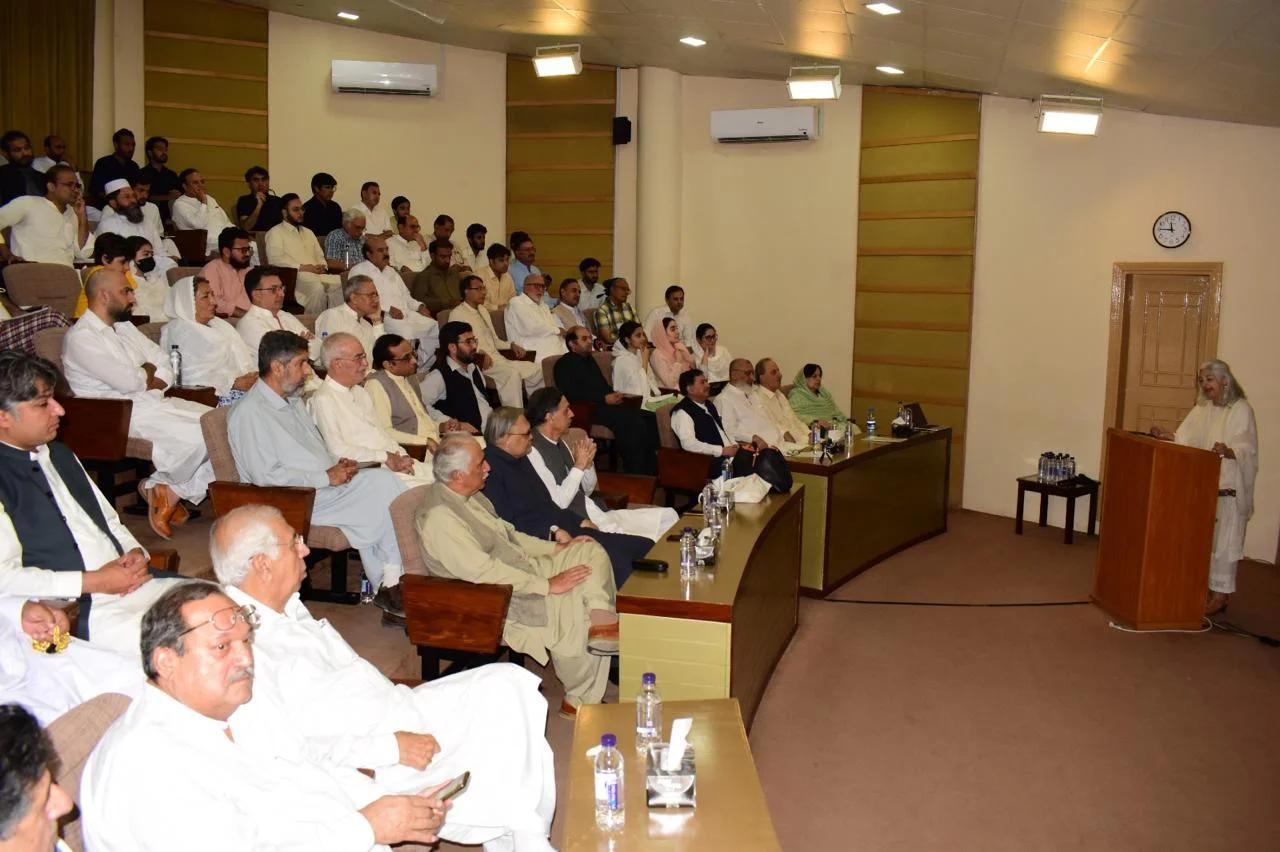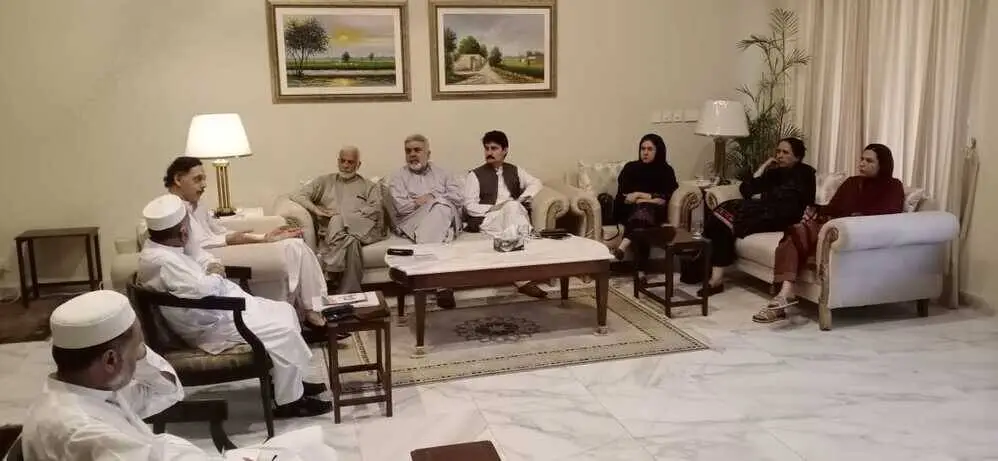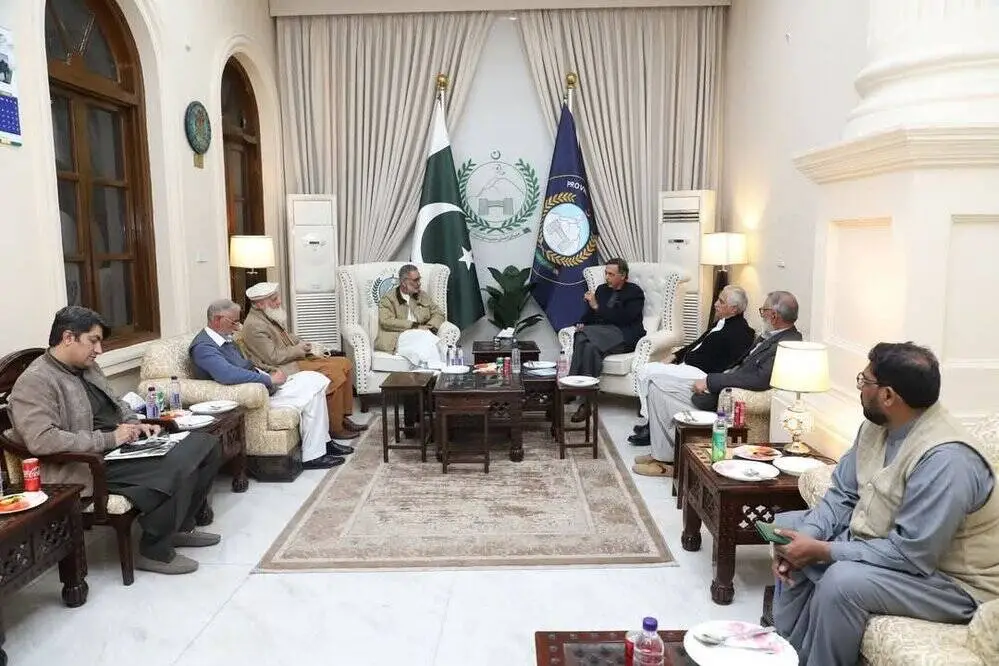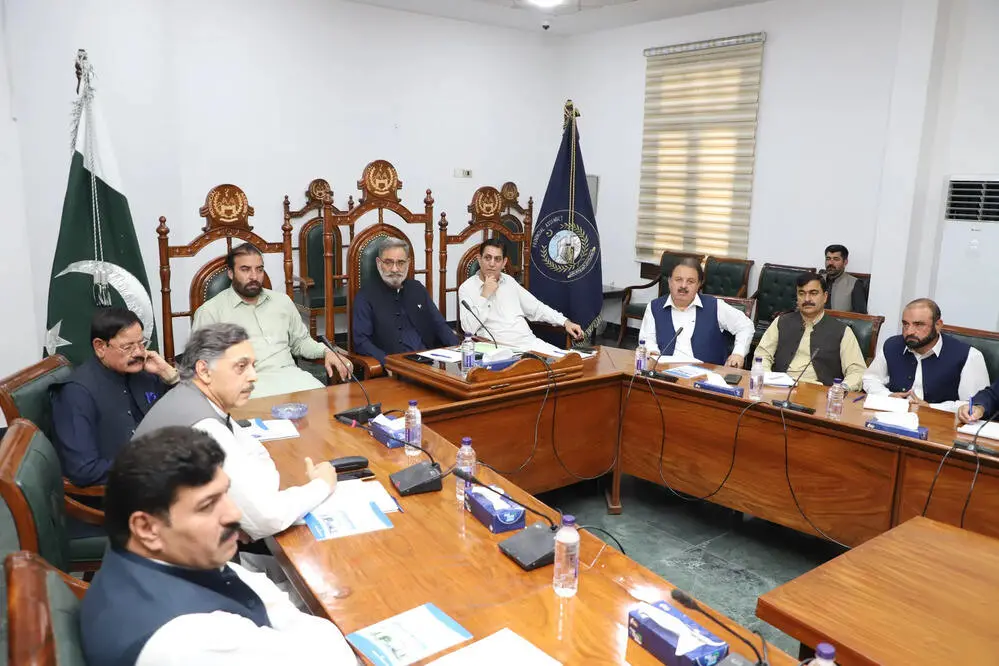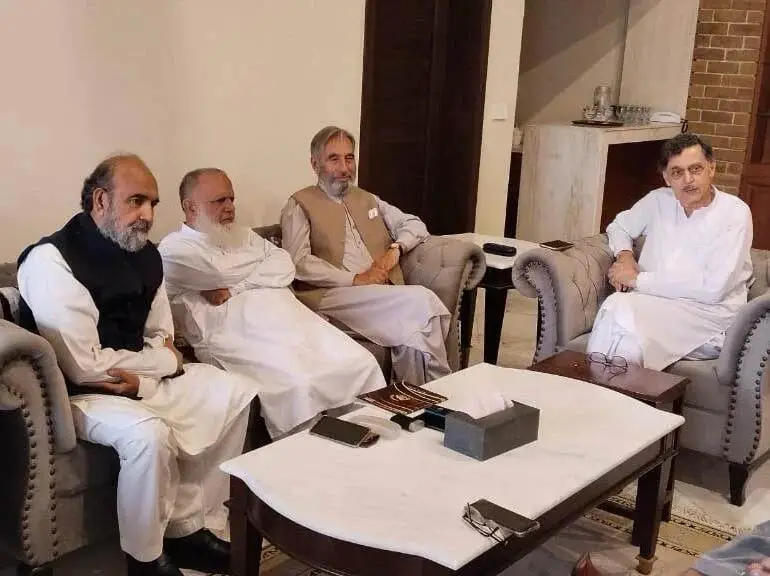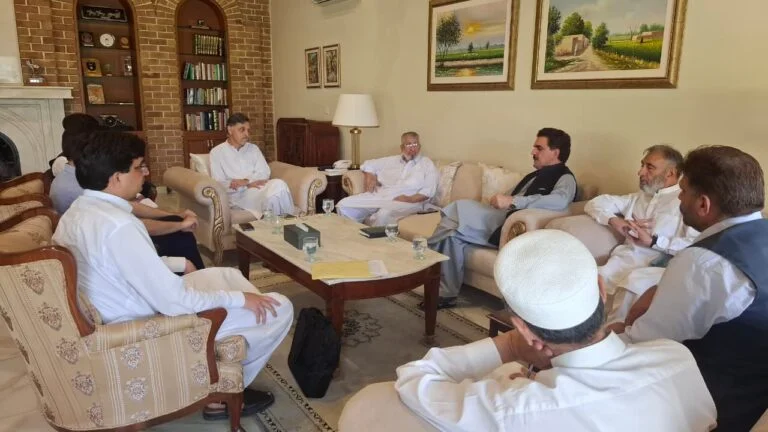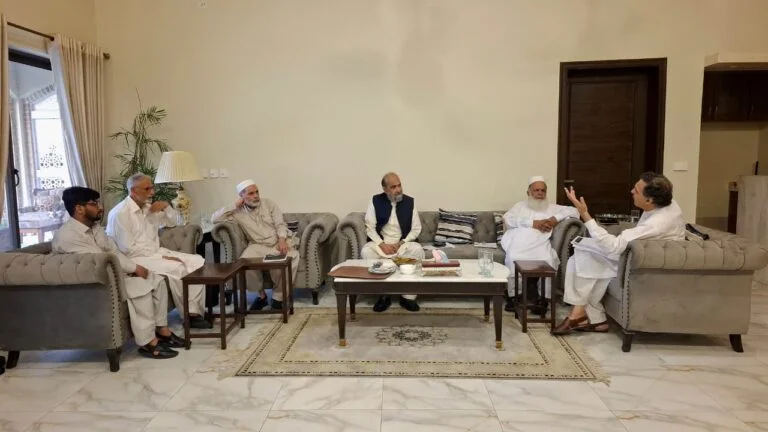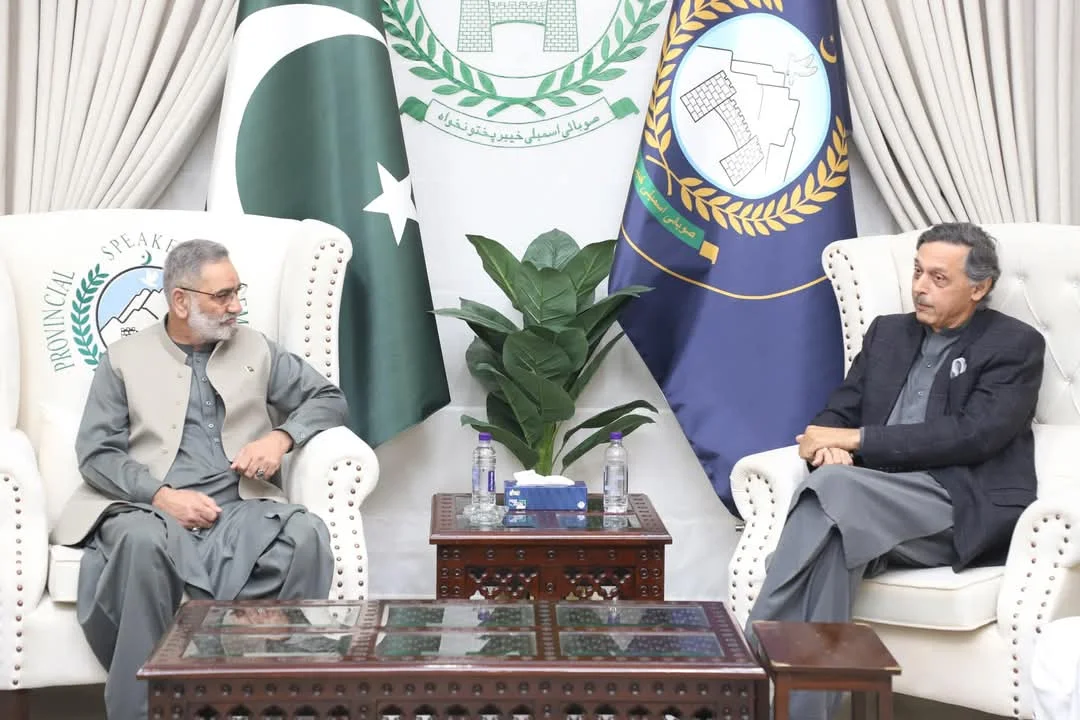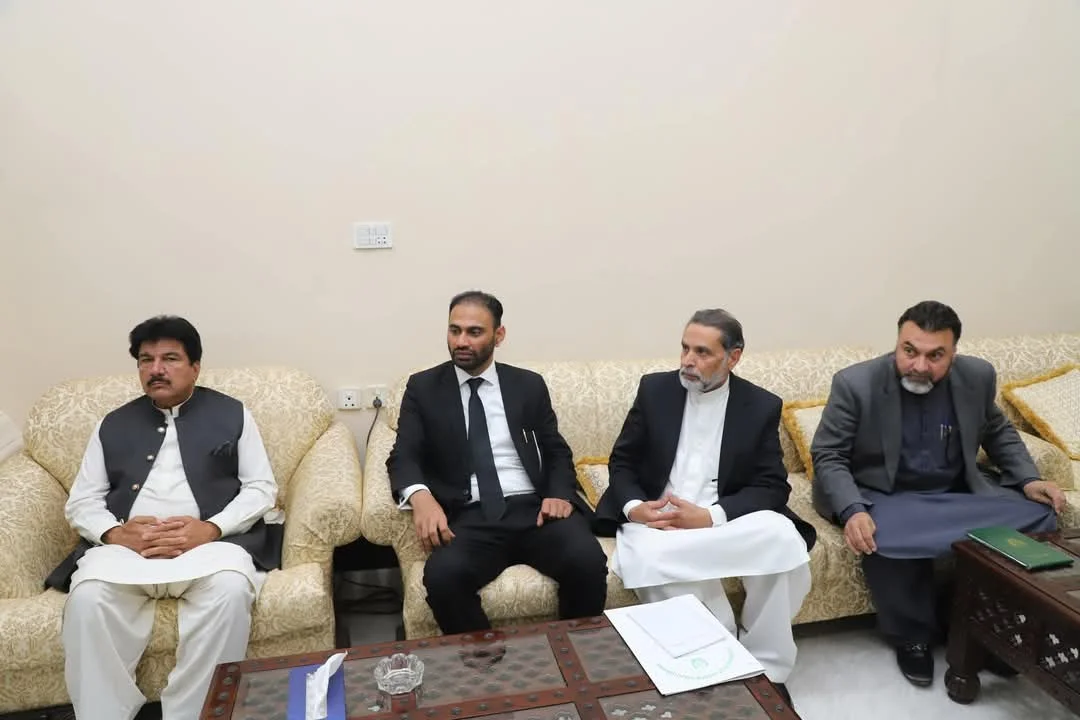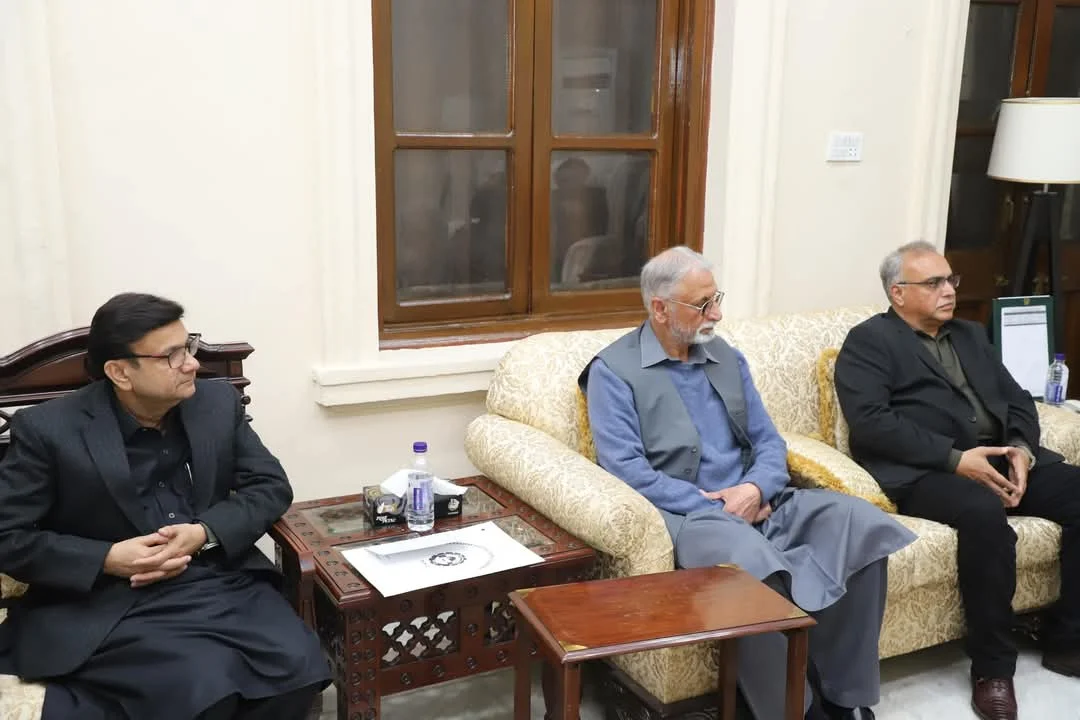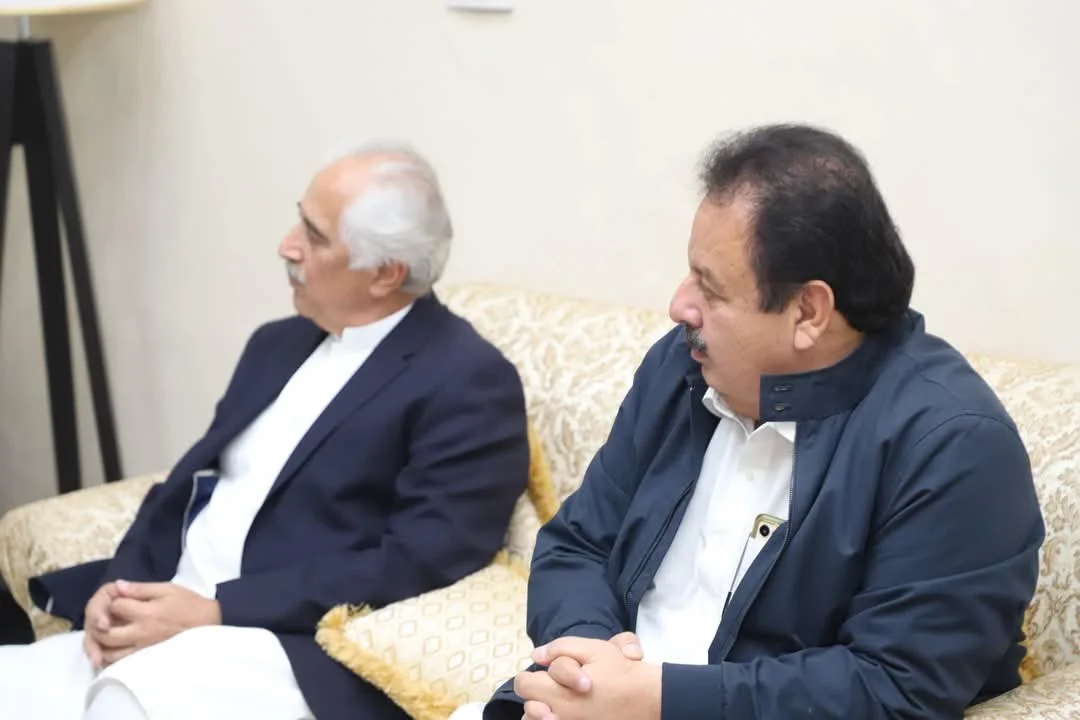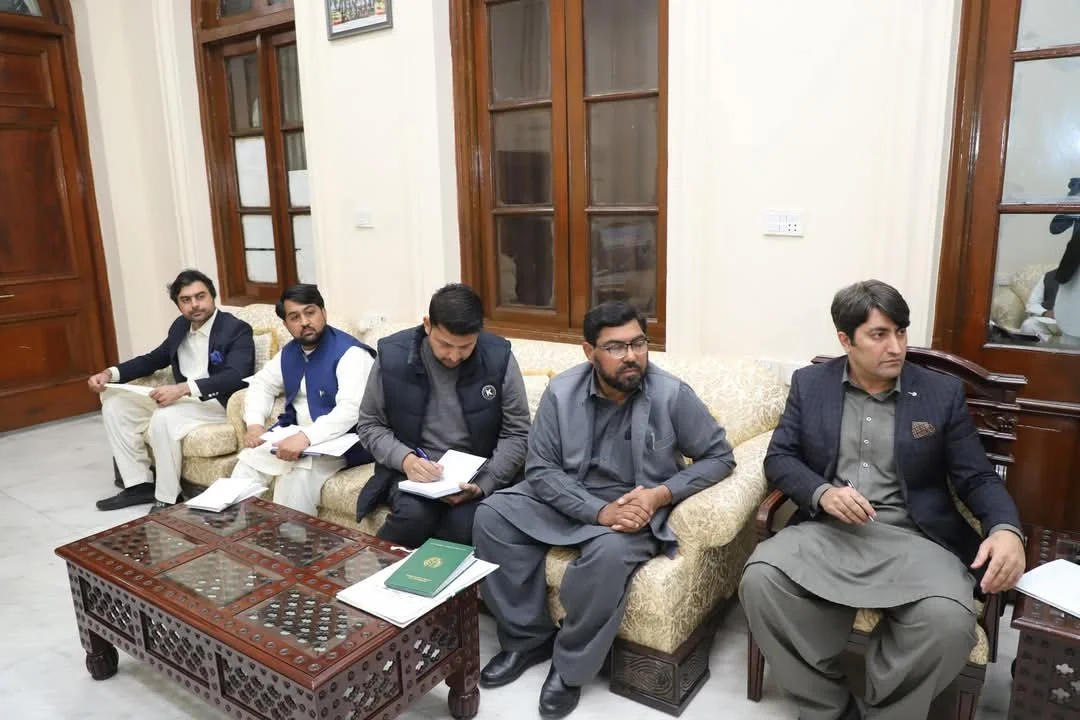
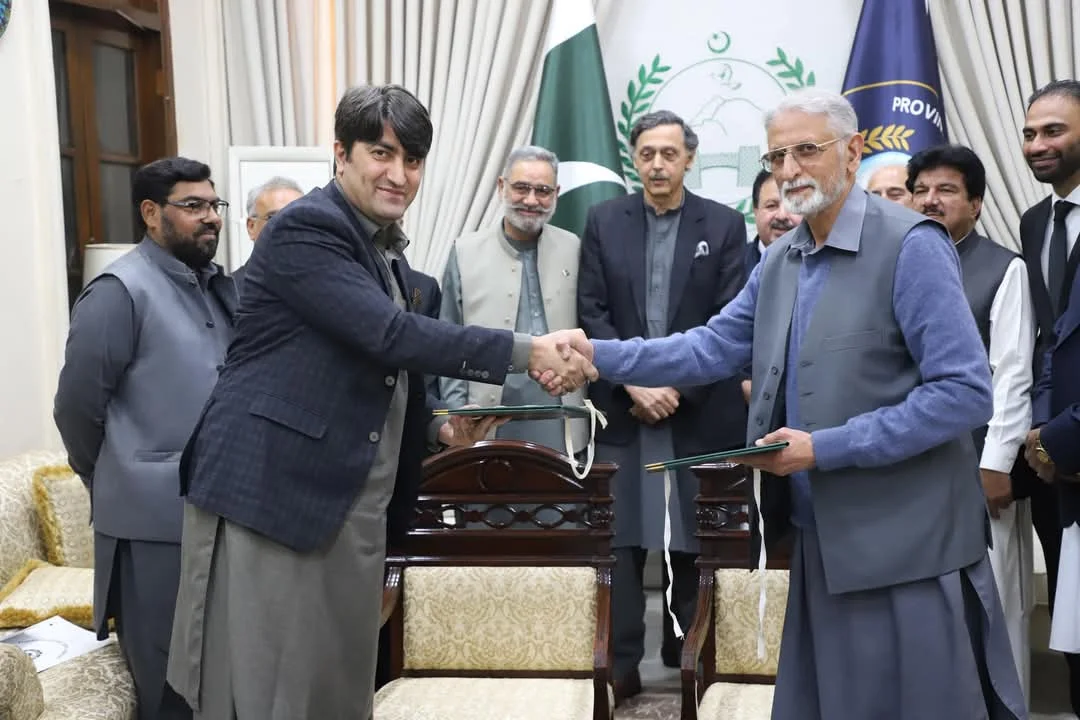
PESHAWAR — The Khyber Pakhtunkhwa Provincial Assembly Secretariat and the policy think tank Advocacy for Sustainable Policy and Implementation Reforms (ASPIRE-KP) have formally entered into a Memorandum of Understanding (MoU) aimed at institutionalizing technical and research collaboration to safeguard the constitutional, financial, and economic rights of Khyber Pakhtunkhwa. Held at the Provincial Assembly Secretariat in the presence of Speaker Babar Saleem Swati, Chairman ASPIRE-KP Mohammad Shehzad Arbab, and senior legislative officials, the signing ceremony marks a vital institutional milestone designed to bridge academic policy research with parliamentary oversight and legislative decision-making.
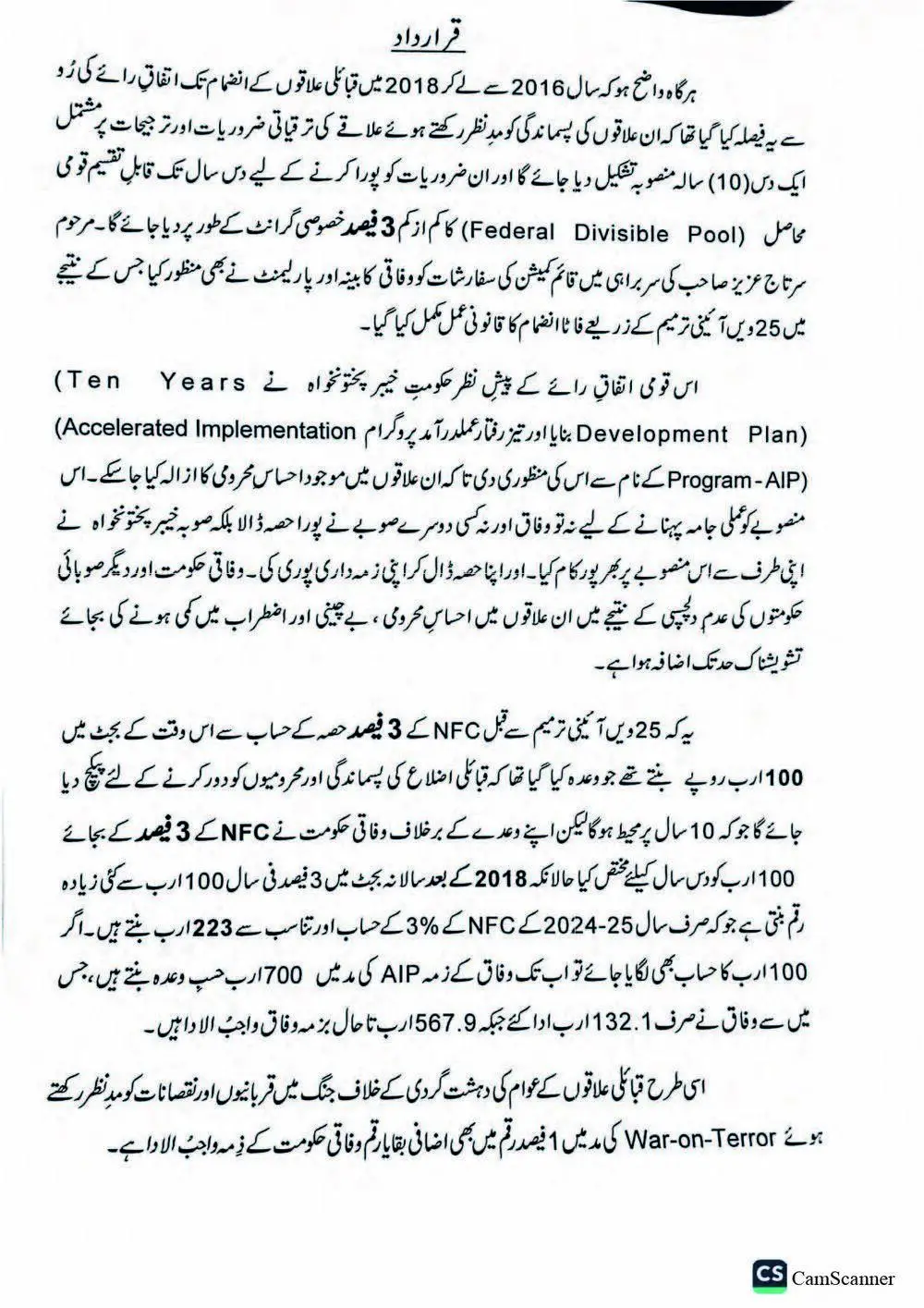
Under this cooperative framework, ASPIRE-KP will provide specialized technical advisory services, data-driven policy briefs, and legal analyses directly to the Provincial Assembly’s leadership and standing committees. The partnership places strong emphasis on scrutinizing federal fiscal transfers, securing Khyber Pakhtunkhwa’s equitable share in the National Finance Commission (NFC) award, advocating for statutory natural resource revenues, and addressing persistent budgetary disparities facing the merged tribal districts.
By equipping lawmakers with objective, evidence-based research, the initiative aims to build cross-party consensus on a provincial Minimum Economic Agenda and reinforce institutional oversight against policy-level delays. Speaking on the occasion, parliamentary leaders reaffirmed that institutionalizing research-backed legislation is essential to protecting the province’s socioeconomic interests and ensuring that constitutional commitments translate into sustained economic progress for the people of Khyber Pakhtunkhwa.