Download Press Release (English)
Download Press Release (Urdu)
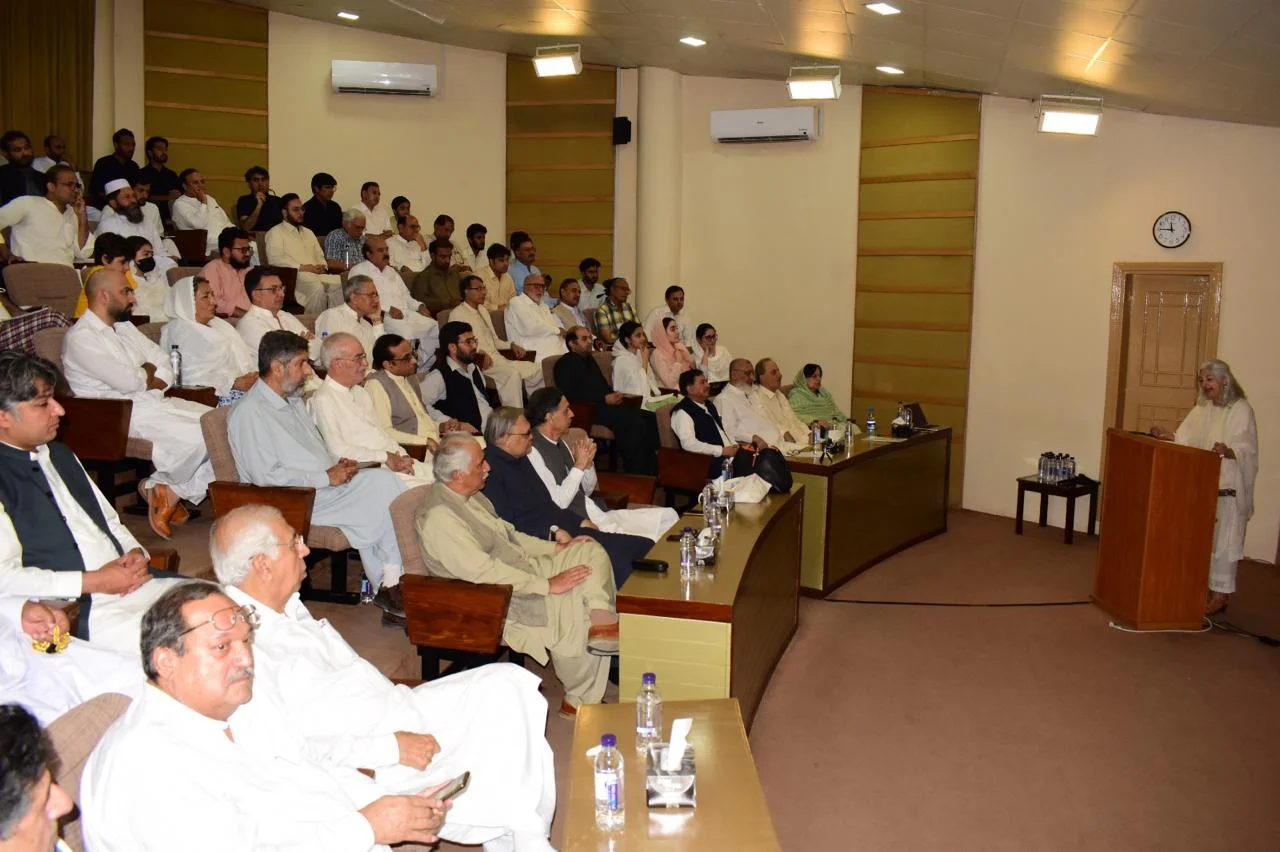
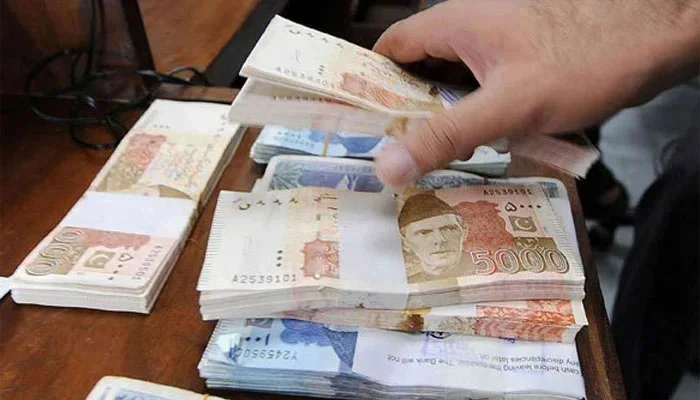
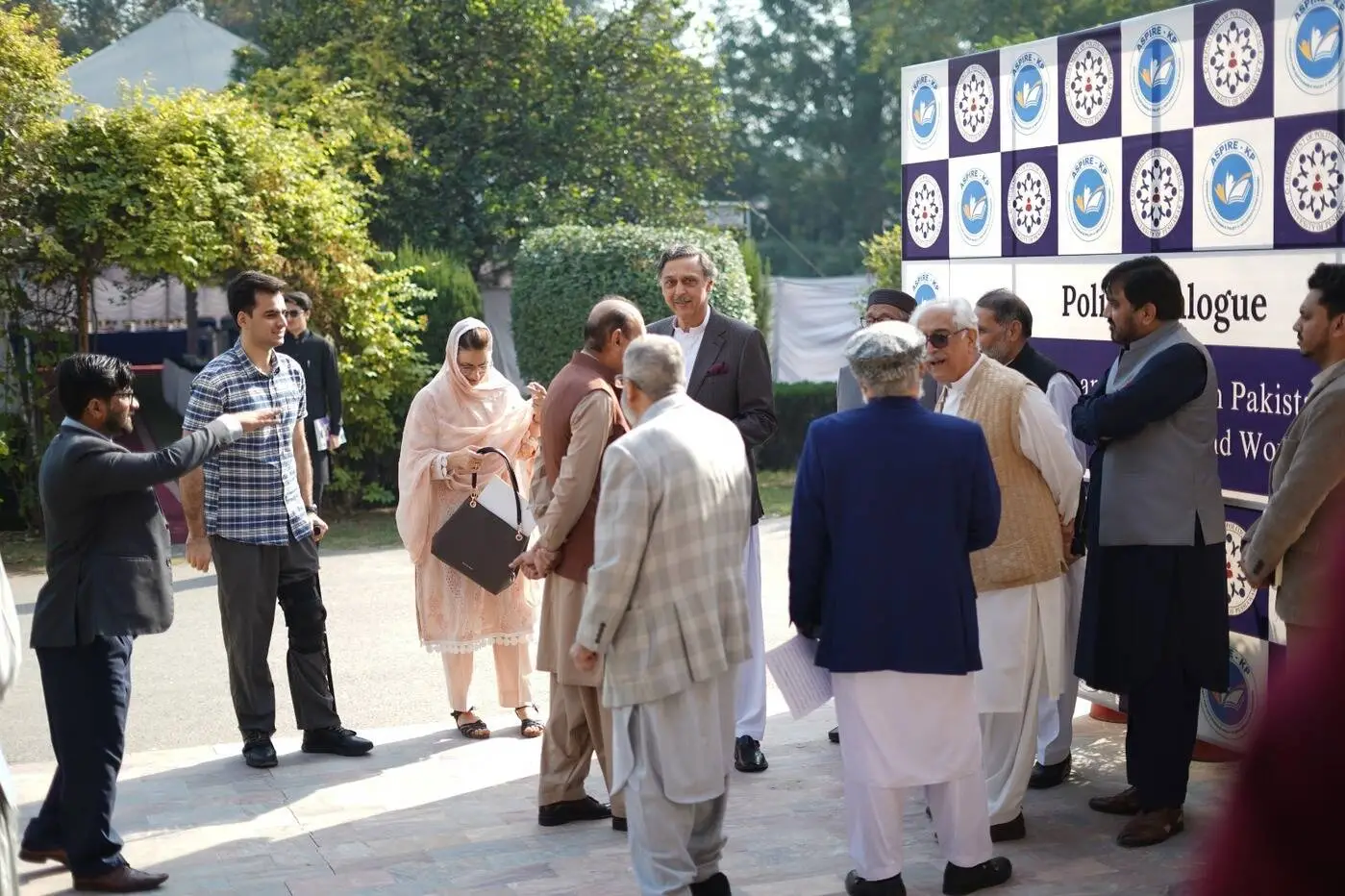
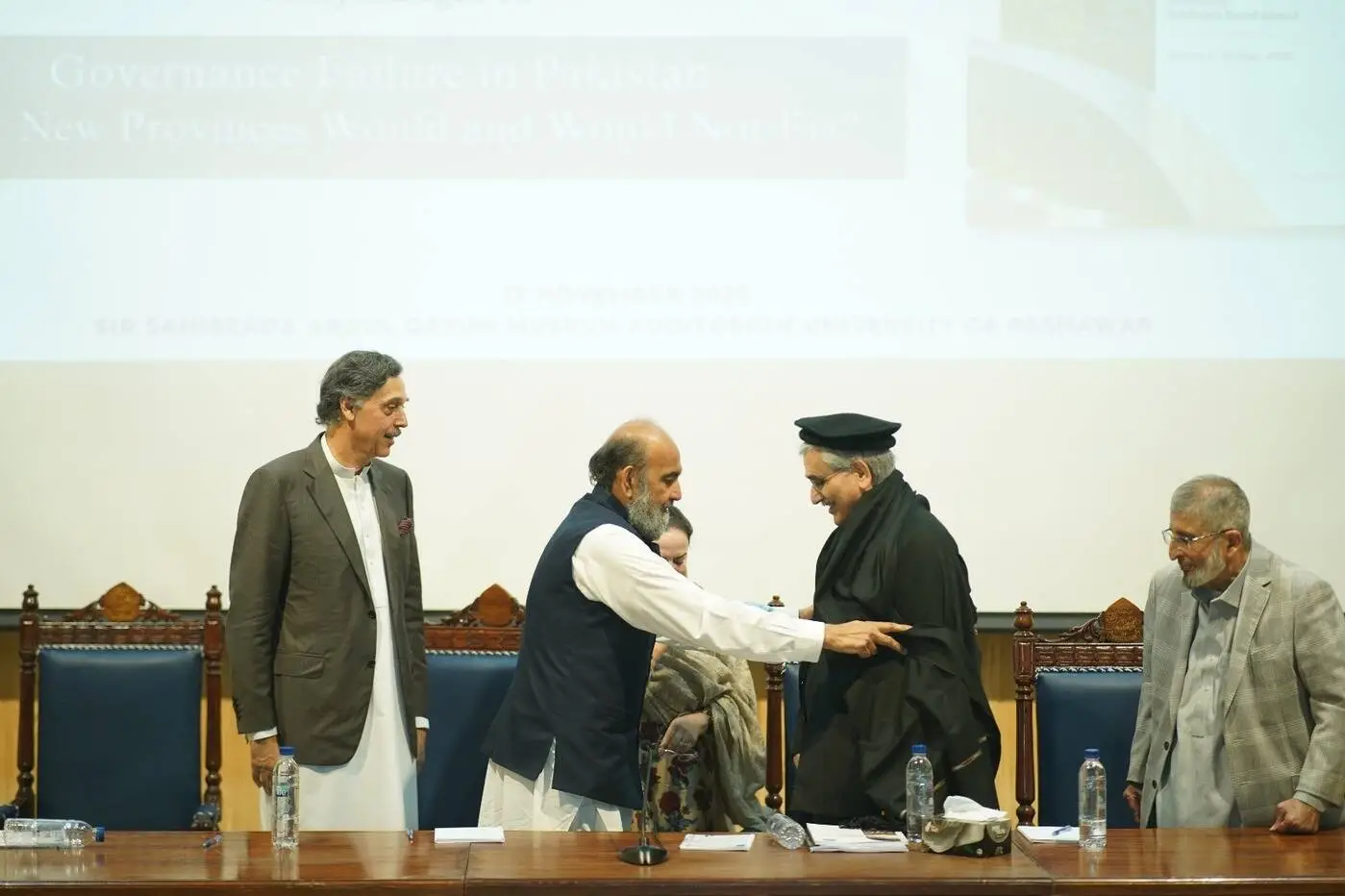
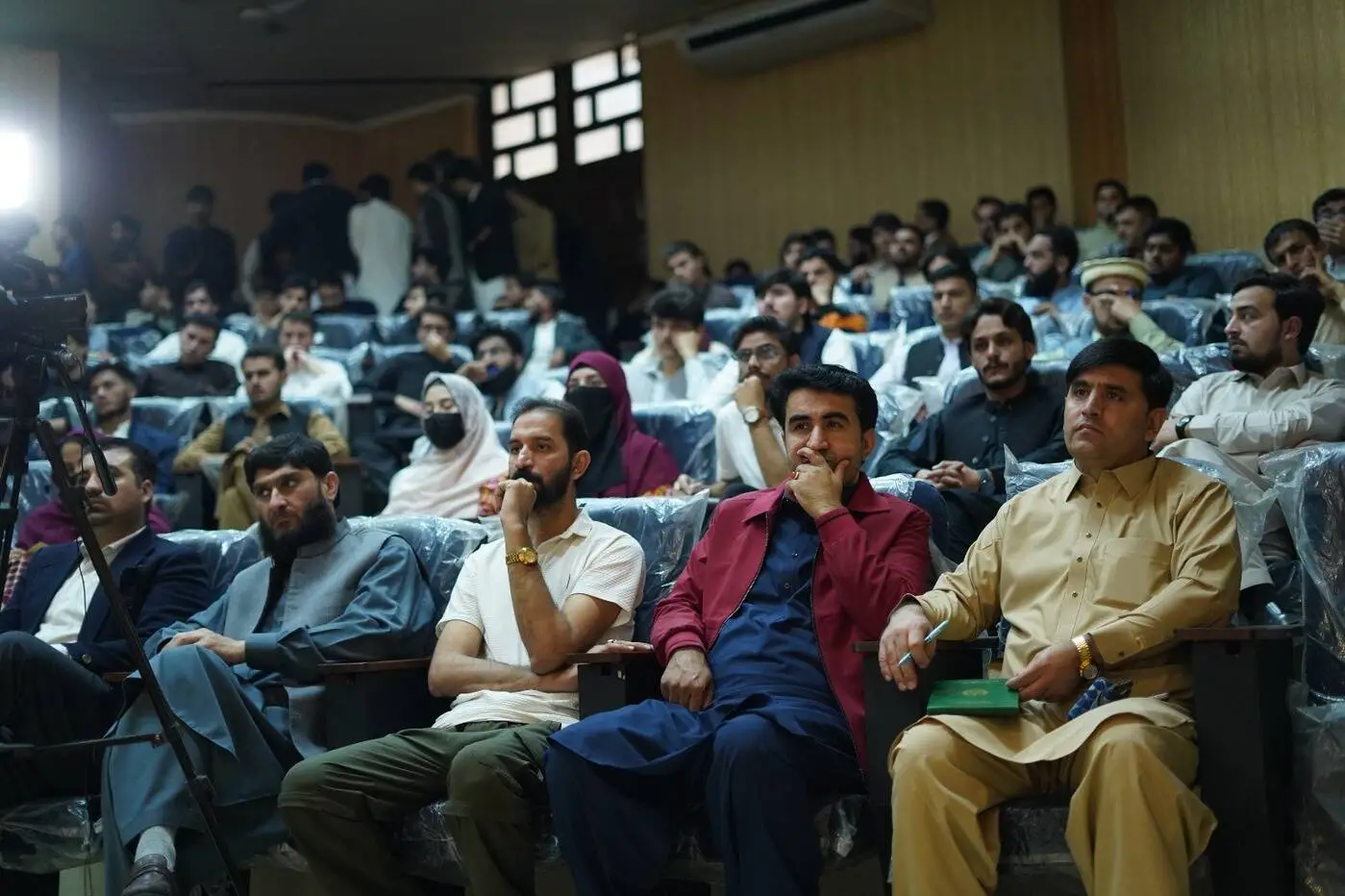
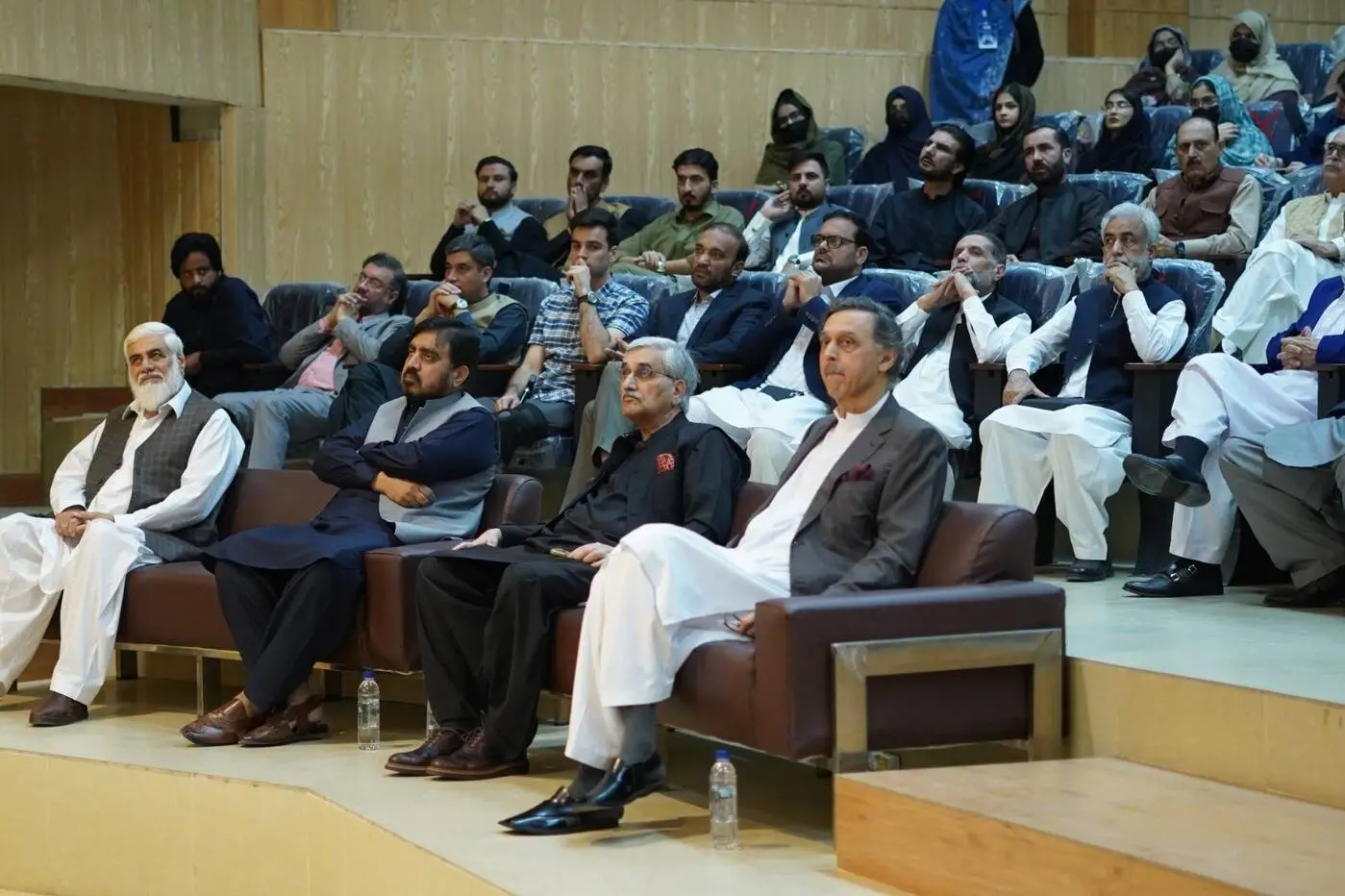
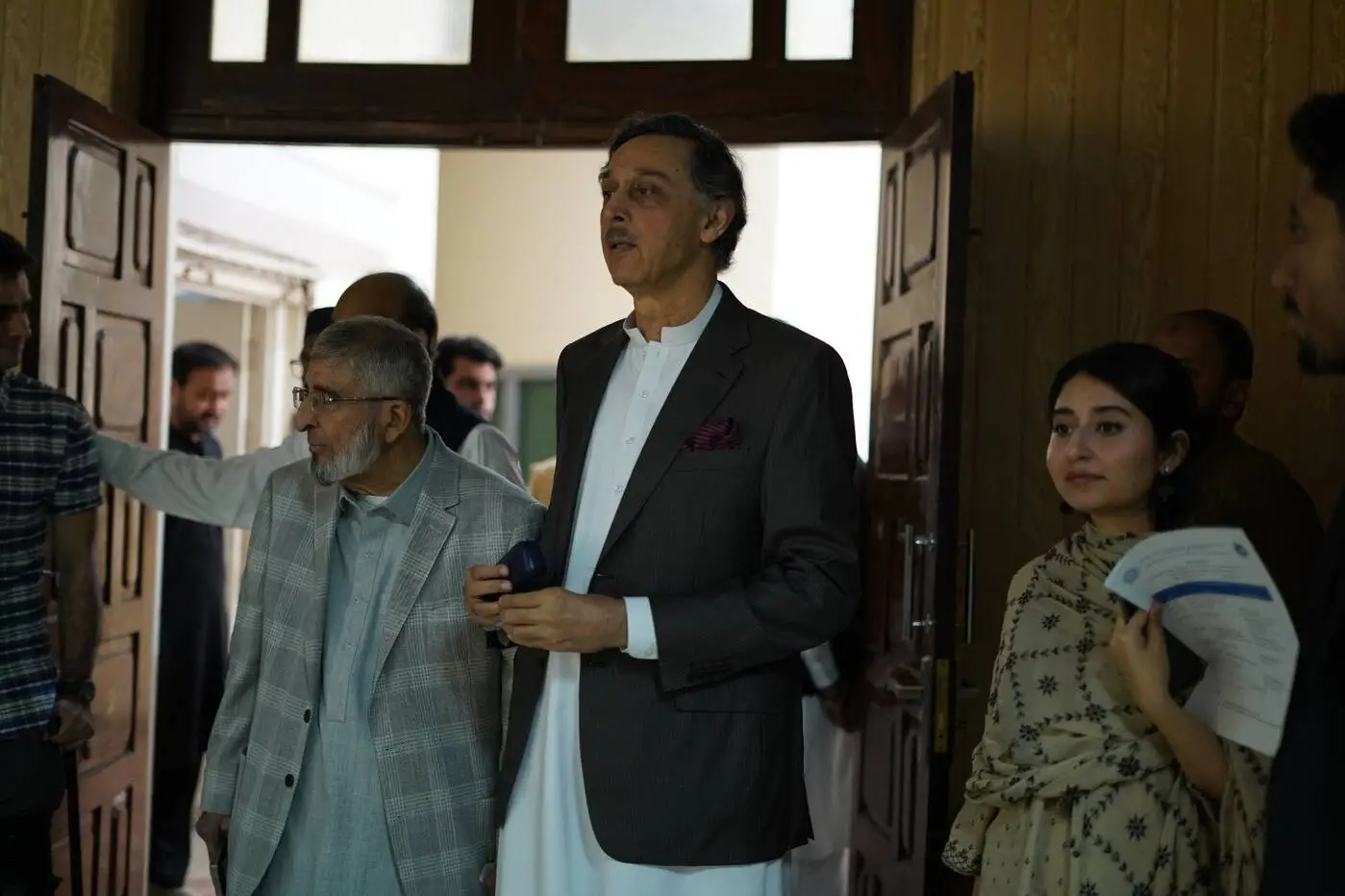
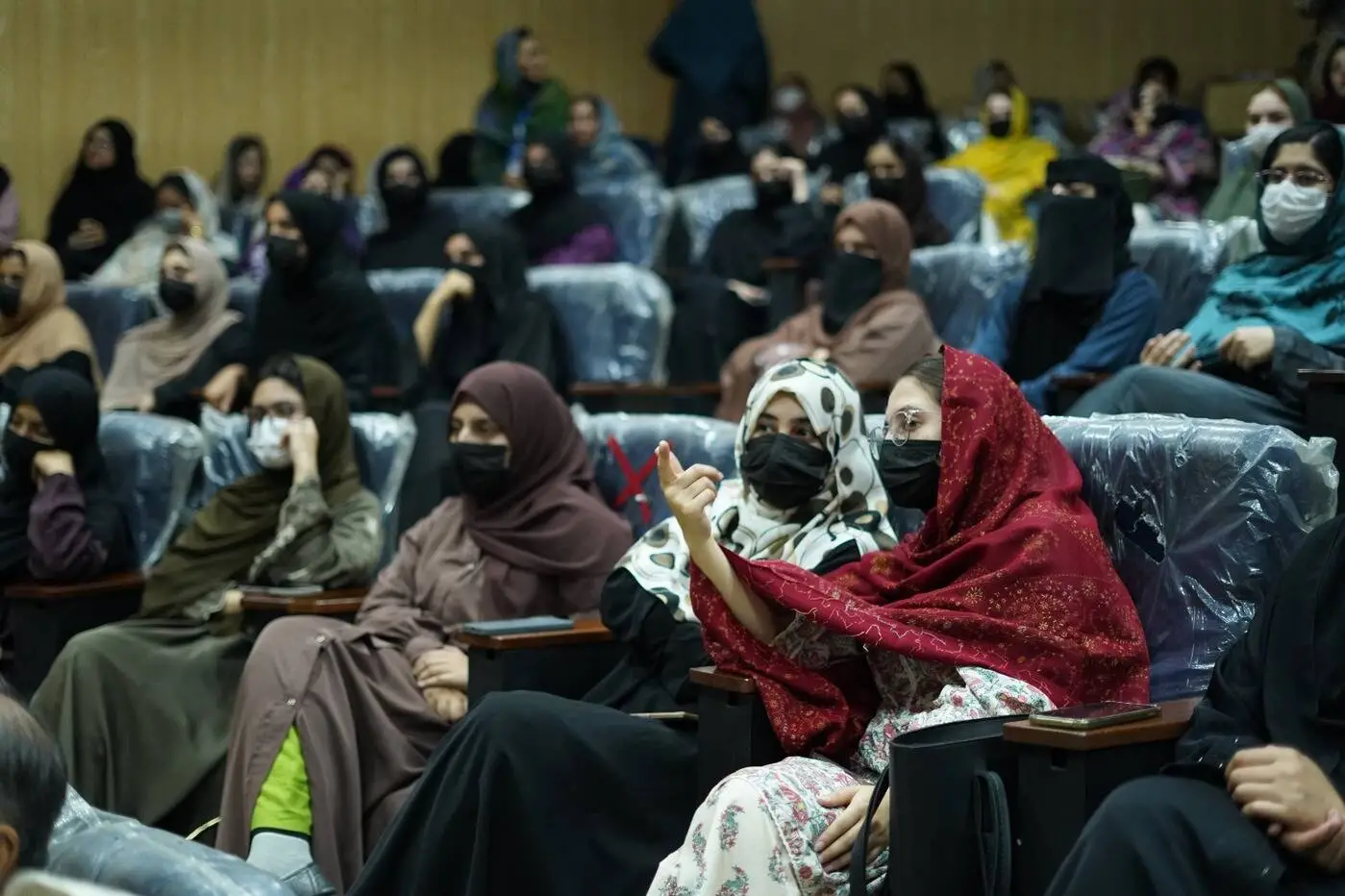
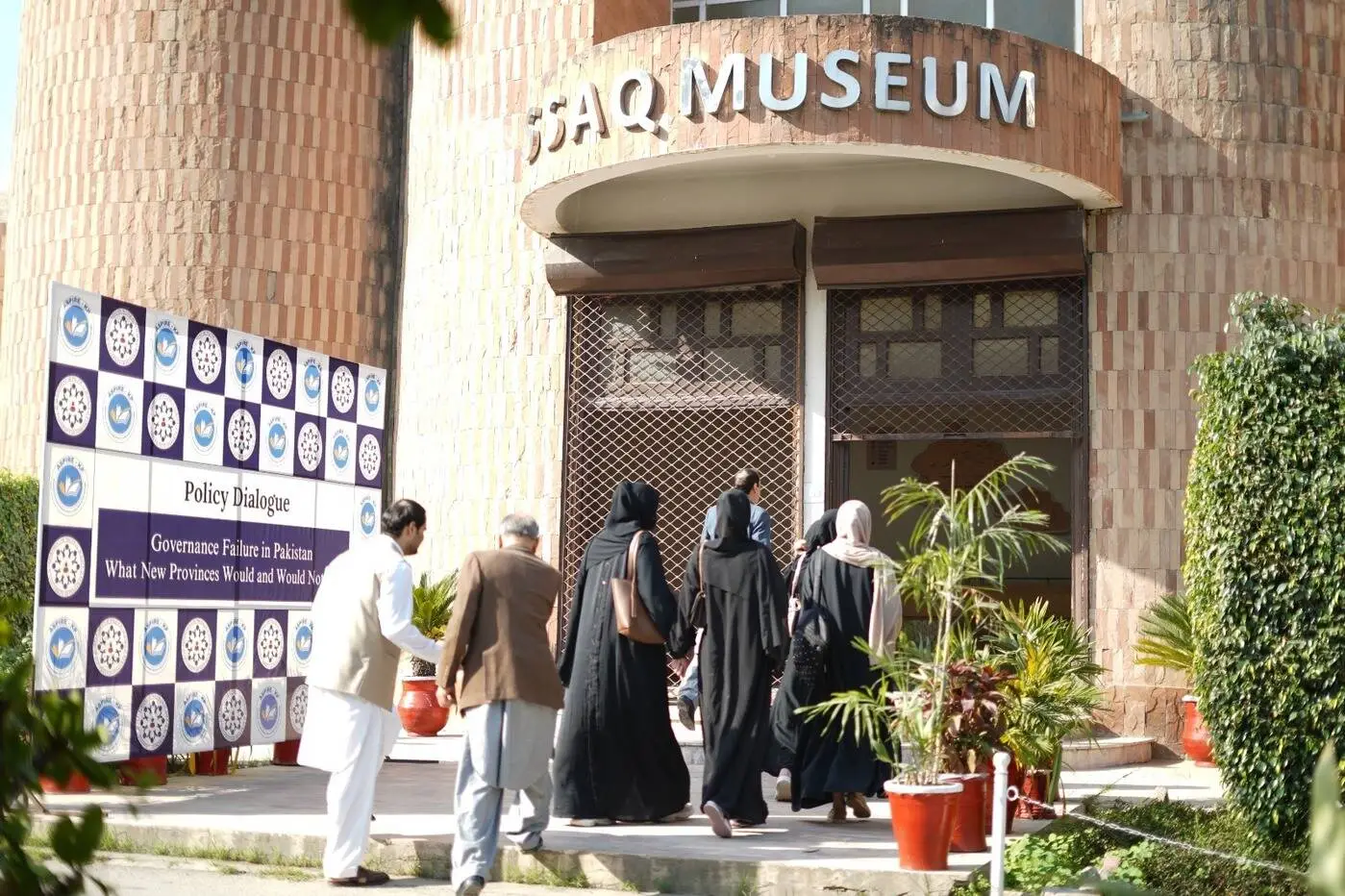
ASPIRE-KP, a Peshawar-based think tank, today presented its paper “Governance Failure in Pakistan: What New Provinces Would and Would Not Fix” at a policy dialogue held jointly with the Department of Political Science at the SSAQ Museum Auditorium, University of Peshawar. The paper tests the two main claims made for new provinces: that Pakistan’s governance failures stem from the size of its provinces, and that turning its 32 divisions into provinces would save Rs 317.87 billion a year. On the available evidence, ASPIRE-KP finds that neither claim has been made out. The paper does not decide whether Pakistan should have more provinces; it argues that criteria must be agreed and tested before any boundary is drawn.
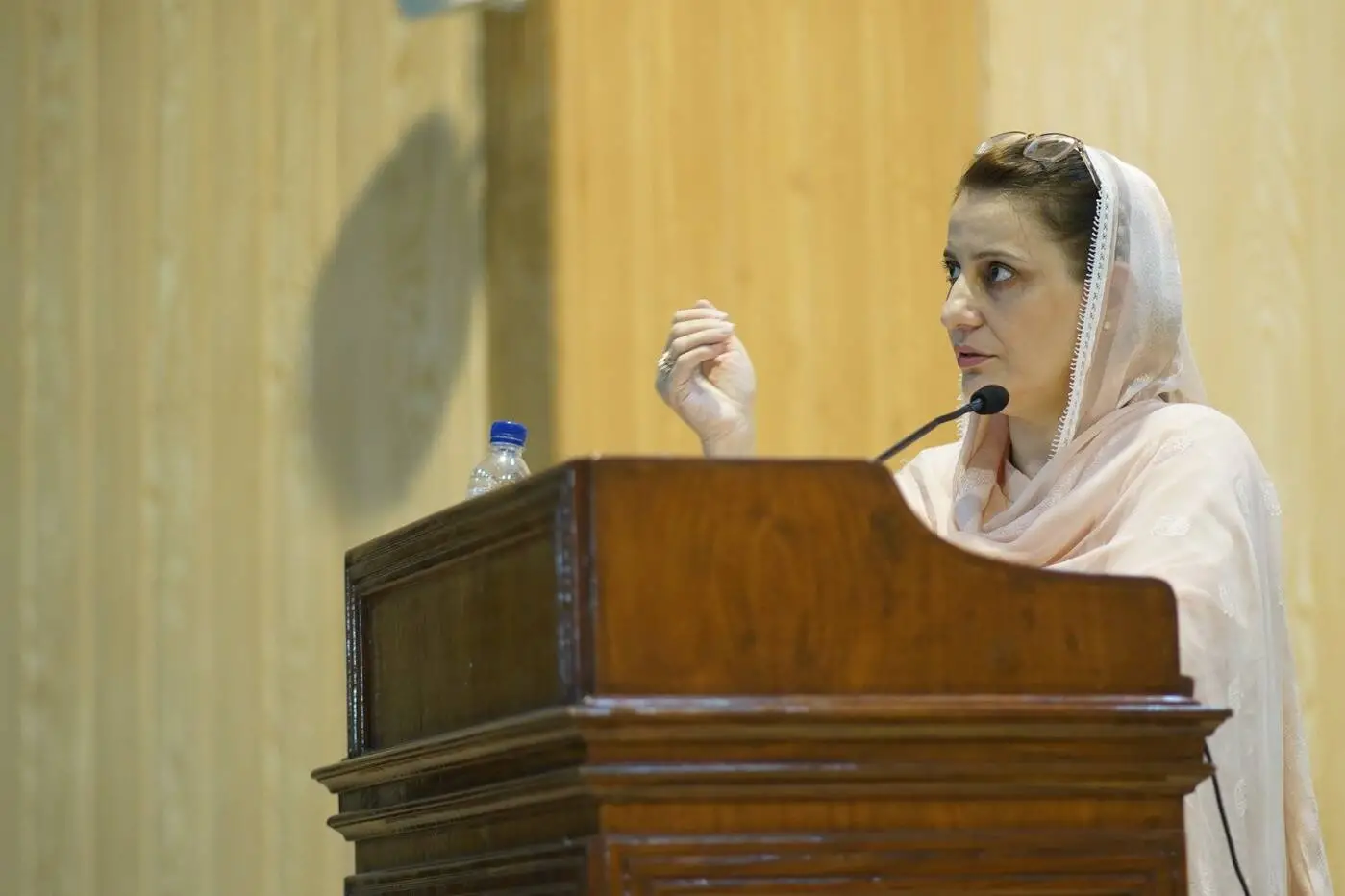
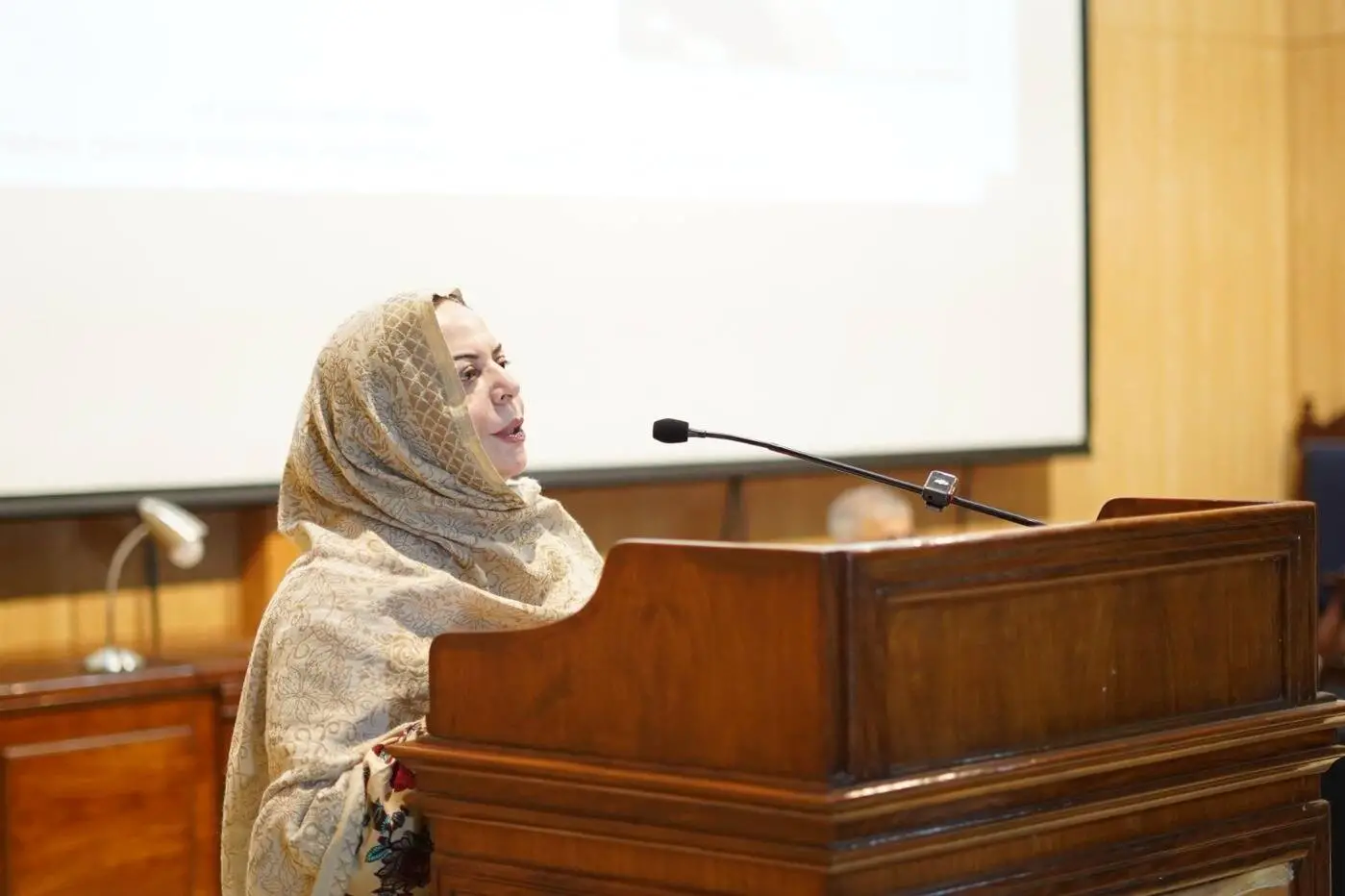
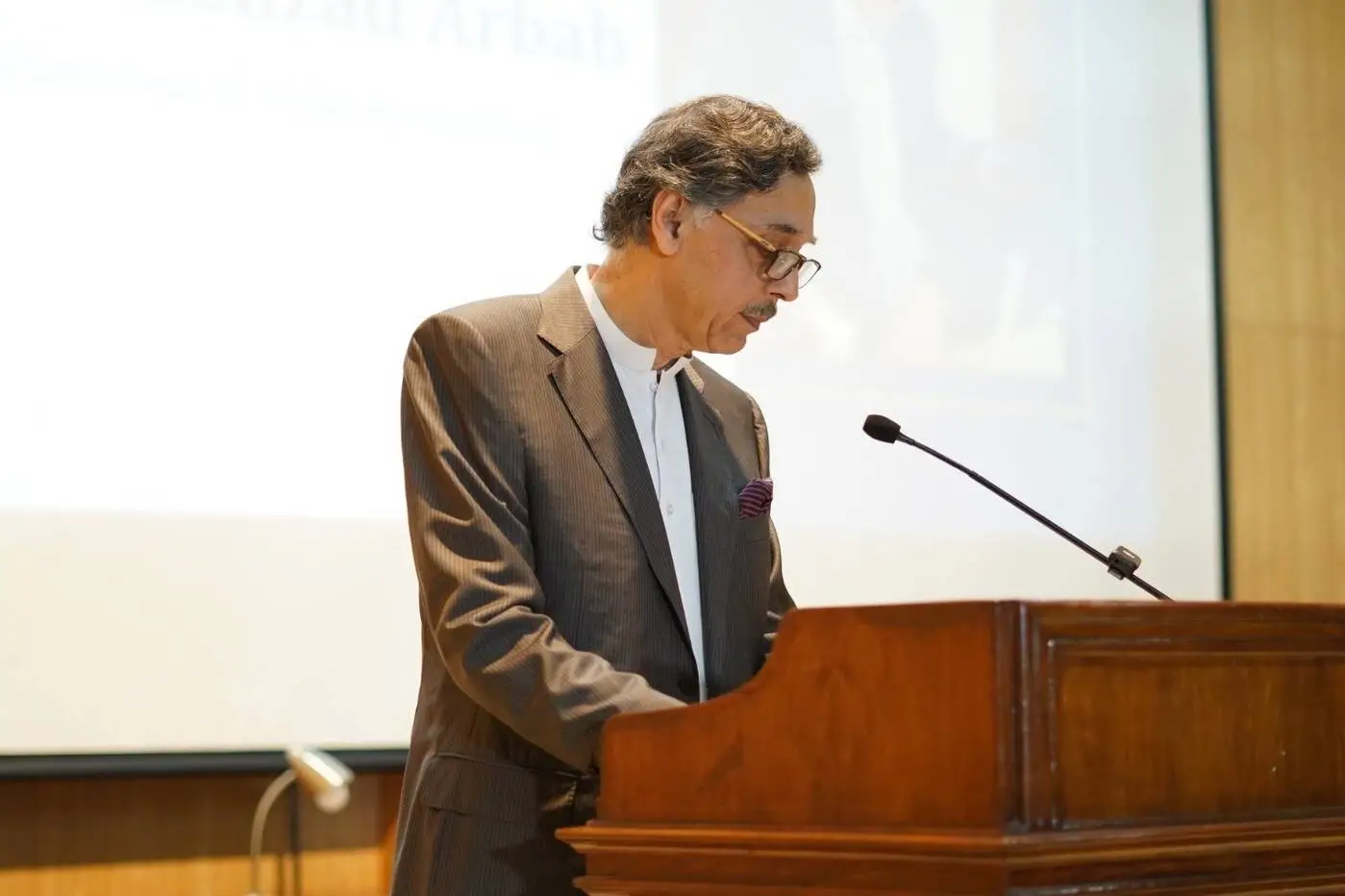
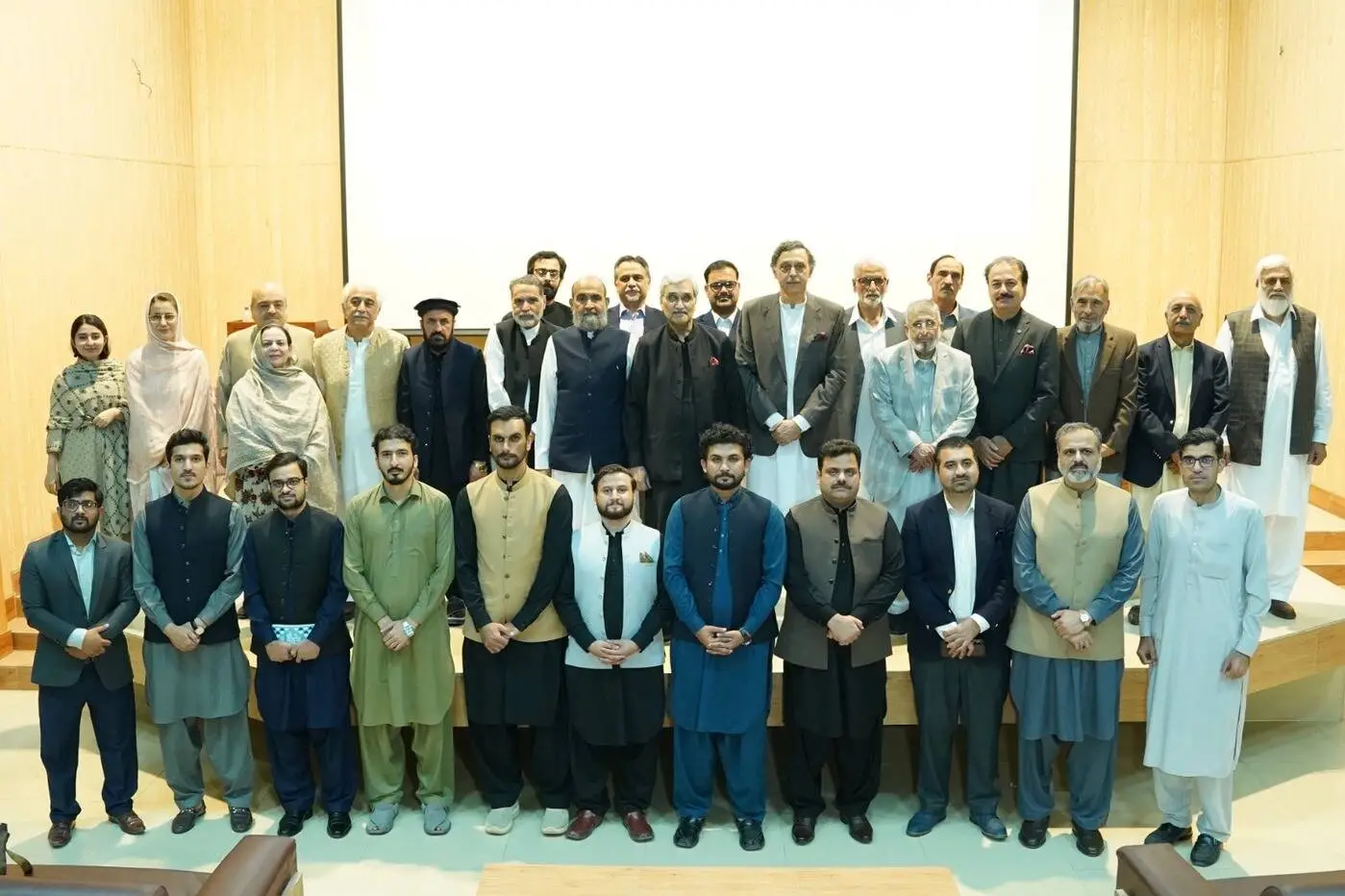
The proceedings opened with a welcome address by Pro Vice Chancellor Dr Robina Shaheen, followed by remarks from Mohammad Shehzad Arbab, former Chief Secretary of Khyber Pakhtunkhwa and Chairman of ASPIRE-KP.
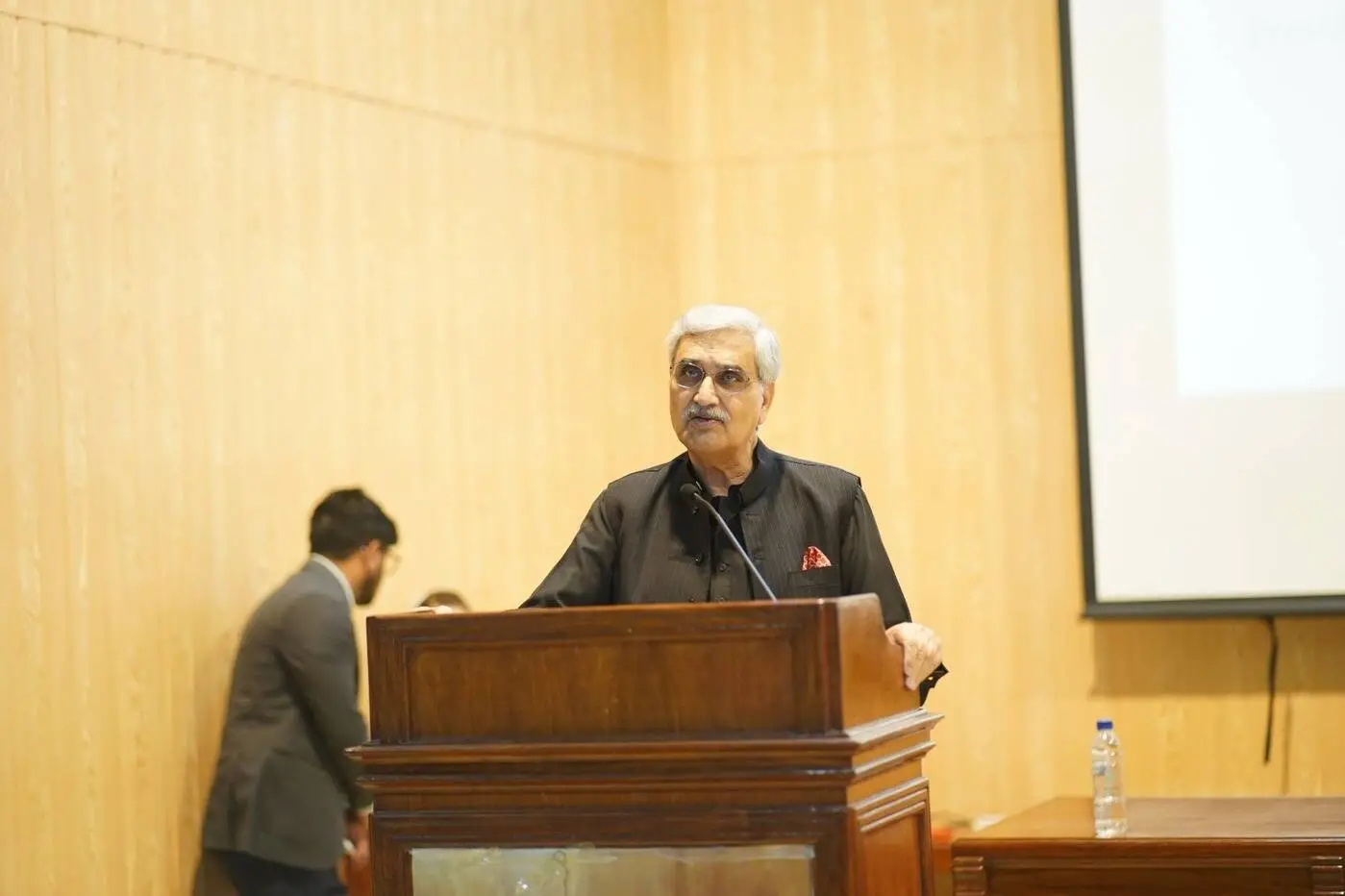
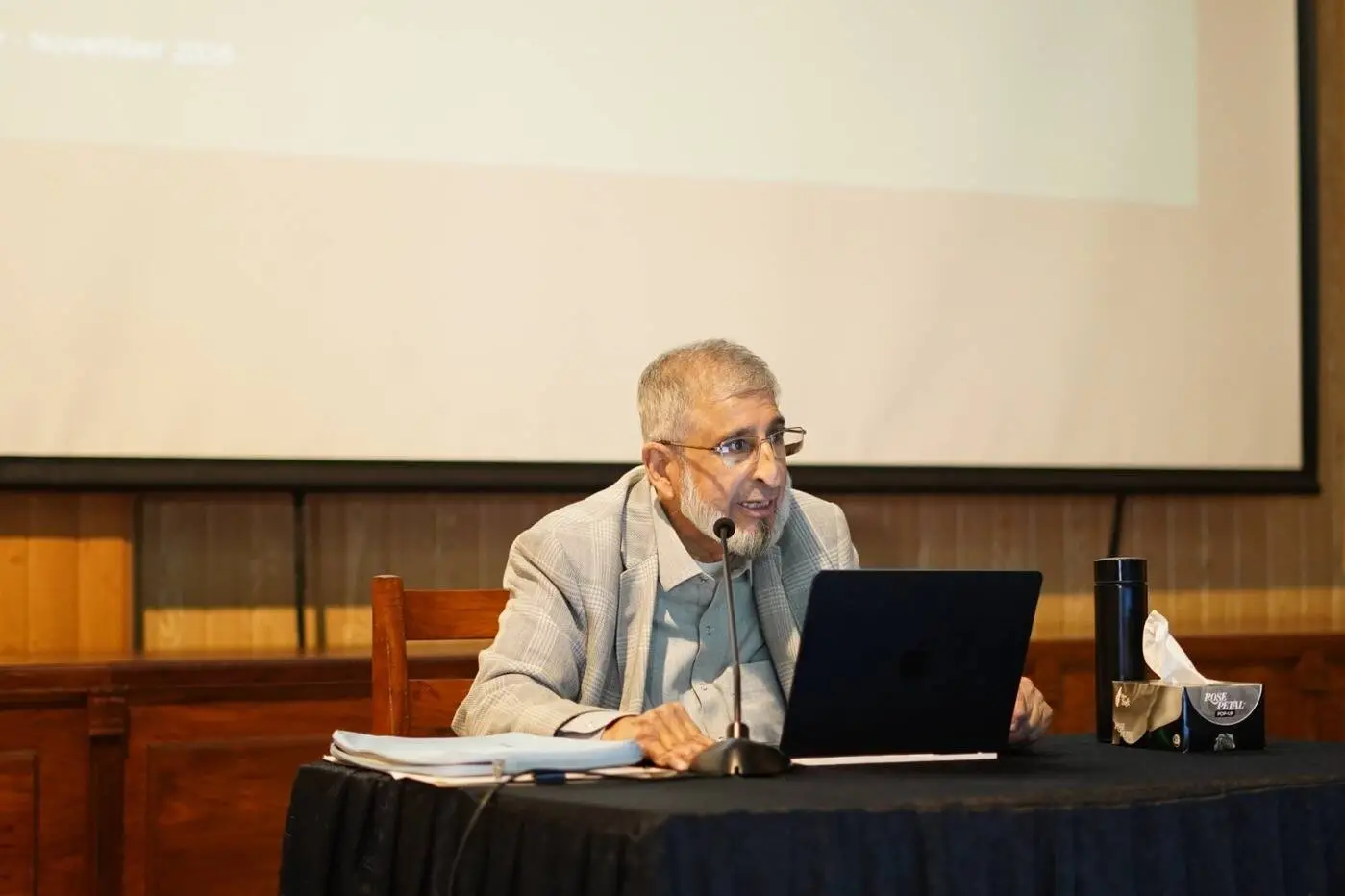
Sahibzada Saeed Ahmad, former Federal Secretary and member of ASPIRE-KP’s Executive Board, then presented the paper. Its findings draw on published budget documents and an 85-question consultation of ASPIRE-KP Members, most of whom have served as Chief Secretaries or Federal and Provincial Secretaries. Members identified eighteen causes of governance failure: only two concern territorial scale, while eleven concern how institutions behave. The gaps within provinces also exceed those between them: literacy across Khyber Pakhtunkhwa’s districts varies by 58 points, but across the four provinces by only 24.
The Rs 317.87 billion figure is not an arithmetic error, and ASPIRE-KP suggests no bad faith. It compares slim proposed secretariats with whole existing government functions, including field staff, programmes and subsidies. Of Punjab’s Rs 56.77 billion agriculture line, only Rs 1.72 billion is administration. Nigeria went from three regions in 1960 to 36 states by 1996; today 31 of them rely on federal transfers for at least 80 per cent of their recurrent spending. India took eight years to reorganise its states, through a commission, a published report and parliamentary debate: criteria first, boundaries last. With provinces already receiving 57.5 per cent of the divisible pool under the 7th NFC Award, Pakistan’s federation has no room to fund small, dependent provinces.
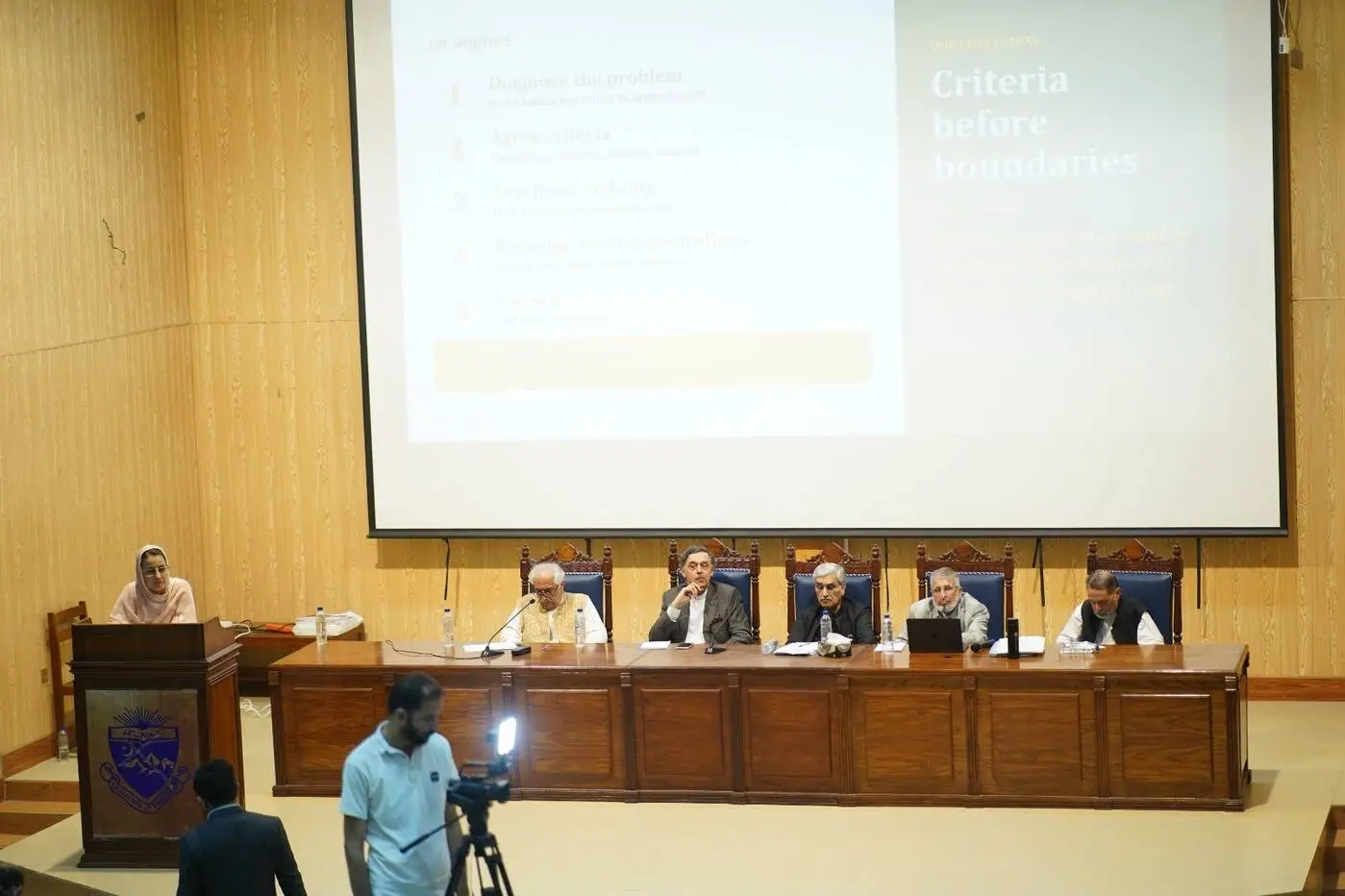
ASPIRE-KP therefore proposes a sequence: diagnose whether the failure is territorial or institutional; agree criteria for any new unit; test fiscal viability; redesign federal institutions; consult and seek a mandate; and settle boundaries only if the evidence warrants it. Whatever Pakistan decides, the criteria and the evidence should come first and the constitutional map last.
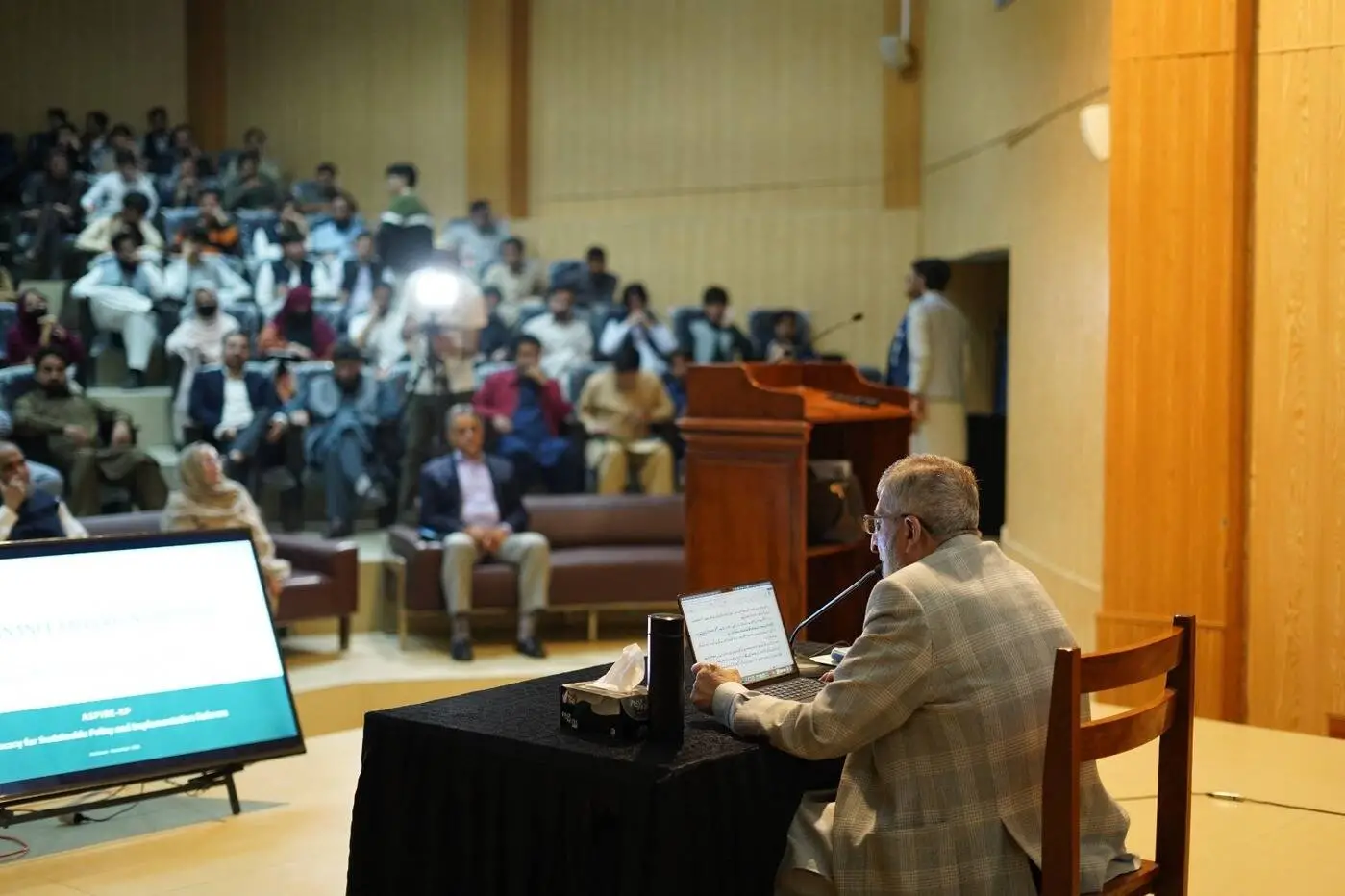
In his keynote address, Ahmad Bilal Mehboob, President of PILDAT, commended the Chairman and his team, and Sahibzada Saeed Ahmad in particular, for the depth of the work and the precision of its evidence, saying future debates would treat the paper as a reference point. He noted the absence of clearly defined criteria and sufficient evidence in the current debate, and urged a shift from whether new provinces should be created to how any such process should be undertaken. He also cautioned that some proposals could curtail provincial authority rather than advance genuine devolution.
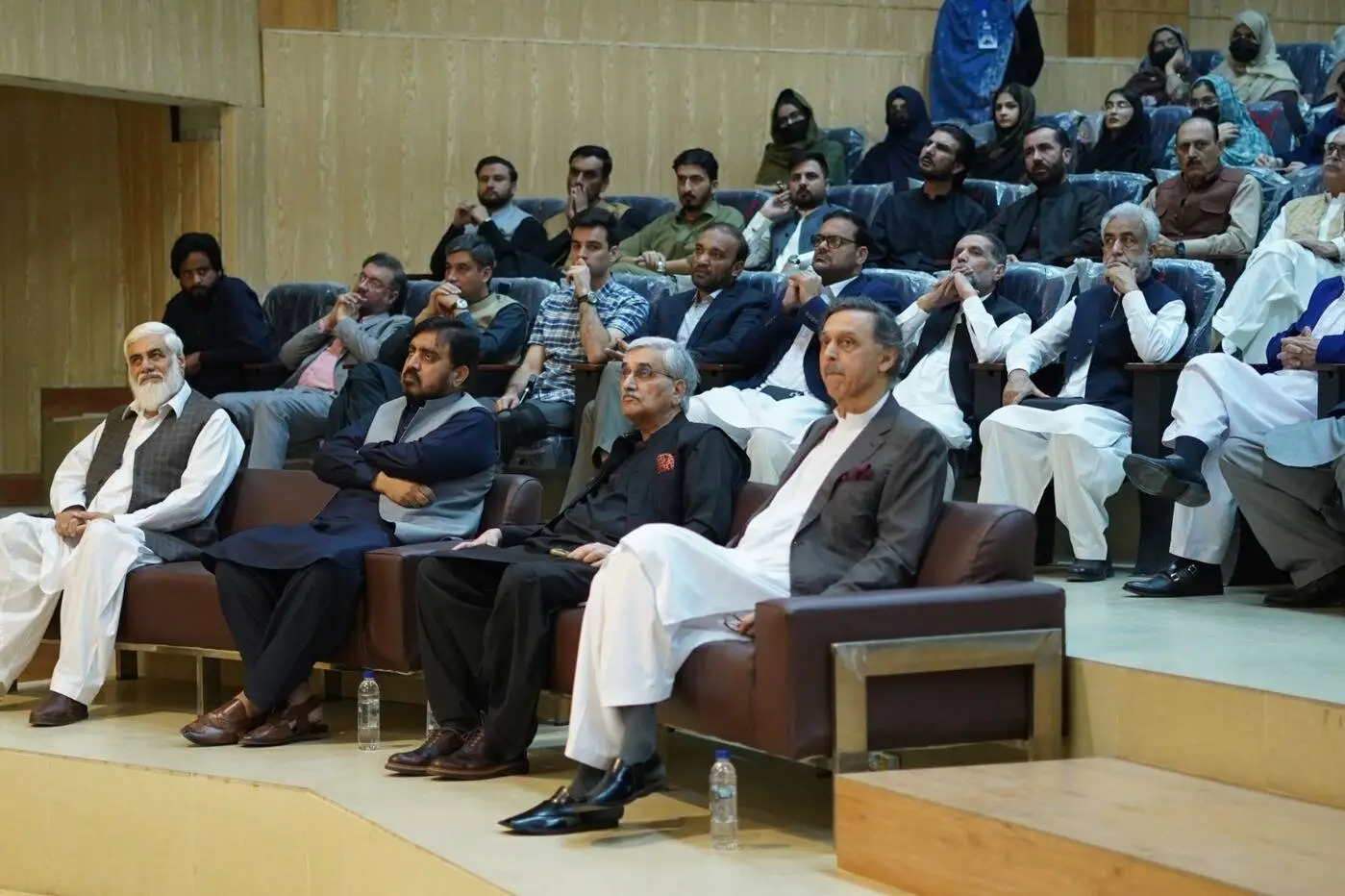
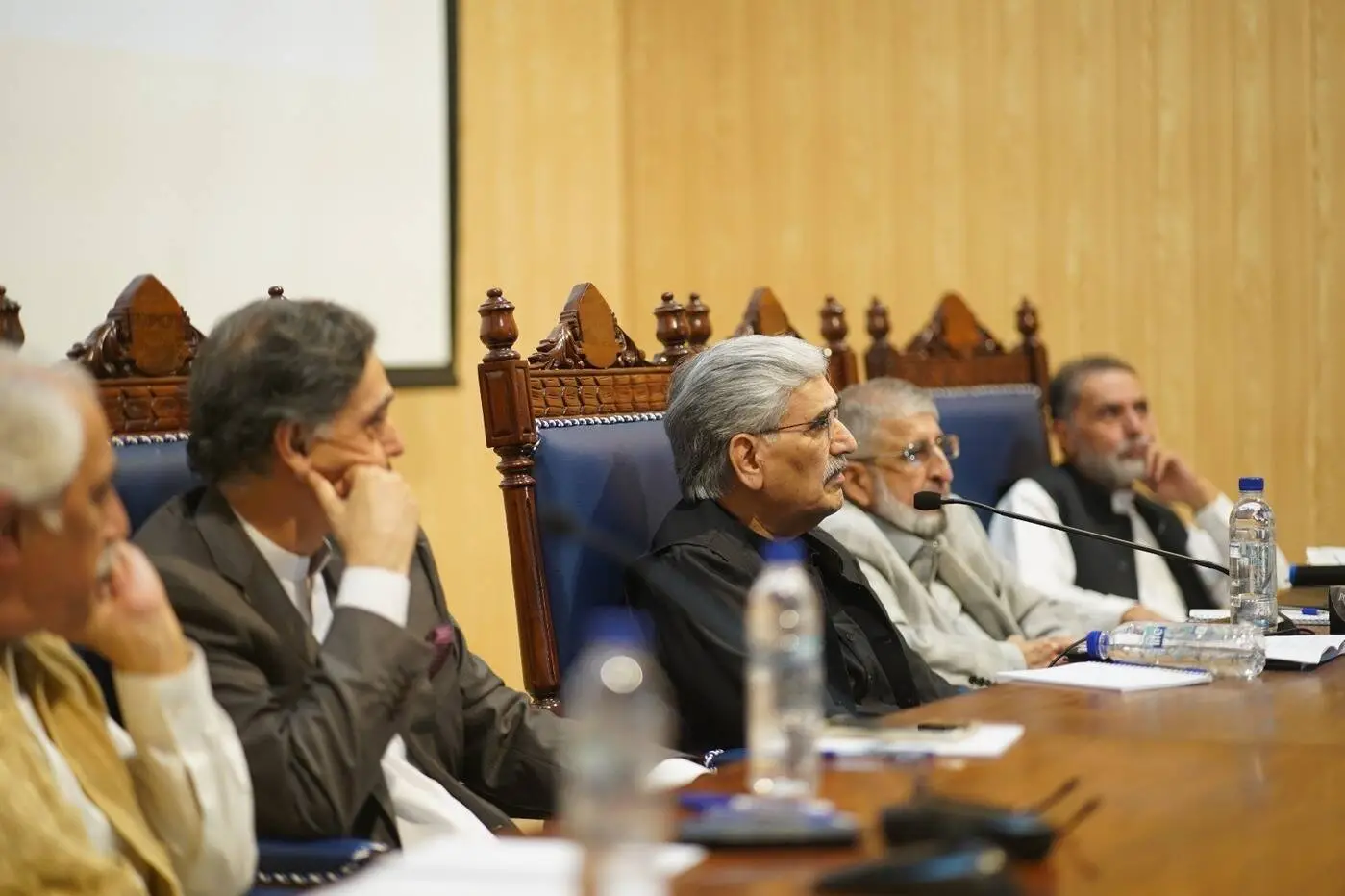
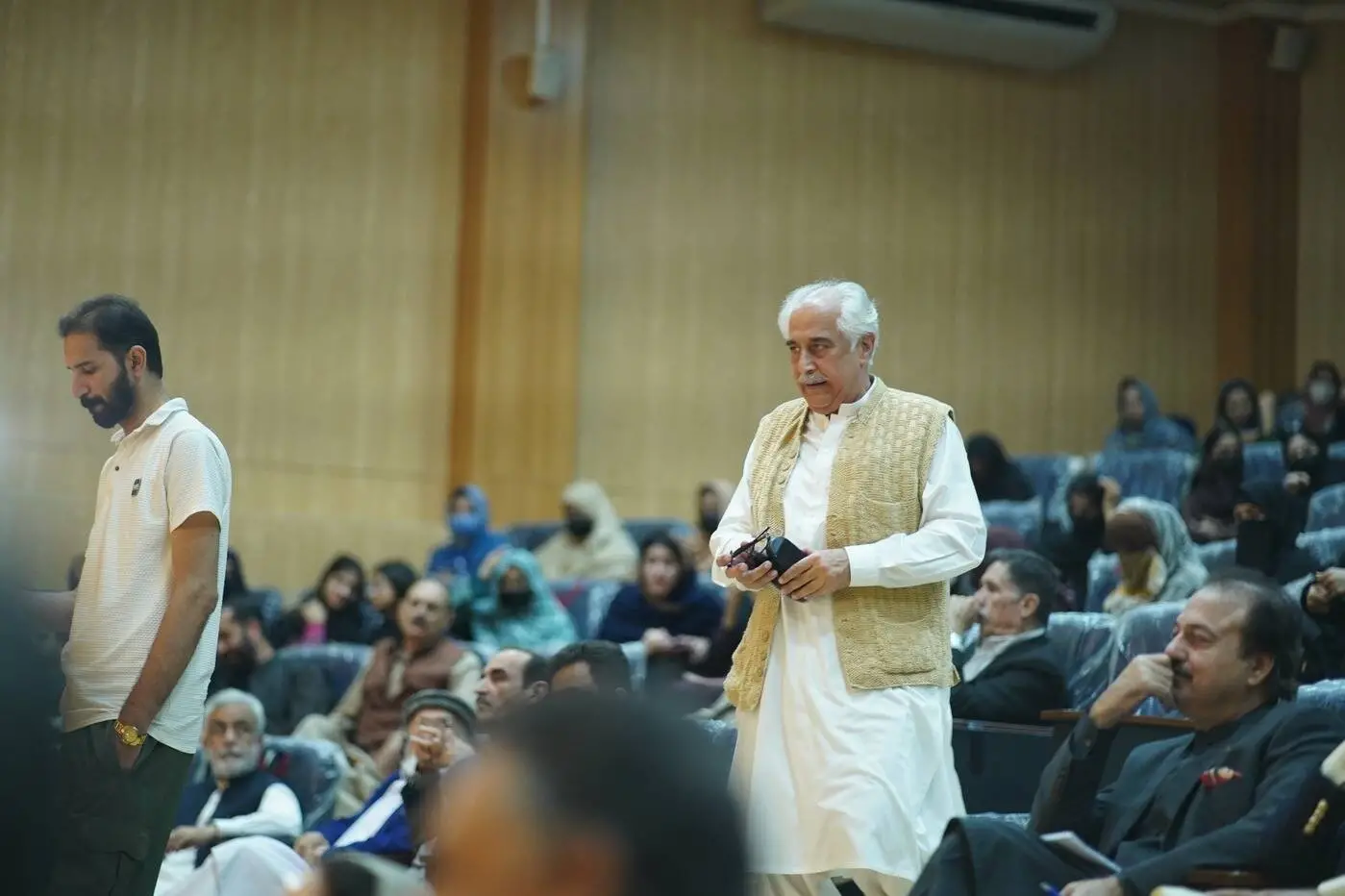
A question-and-answer session followed with a panel of Mohammad Shehzad Arbab, Sahibzada Saeed Ahmad, Ahmad Bilal Mehboob, Hifz-ur-Rehman and Himayatullah Khan. Dr Shahida Aman concluded the event with a vote of thanks.
The full paper (ASPIRE-KP, October 2026) is available on the ASPIRE-KP website. For enquiries: aspire.kp@gmail.com.